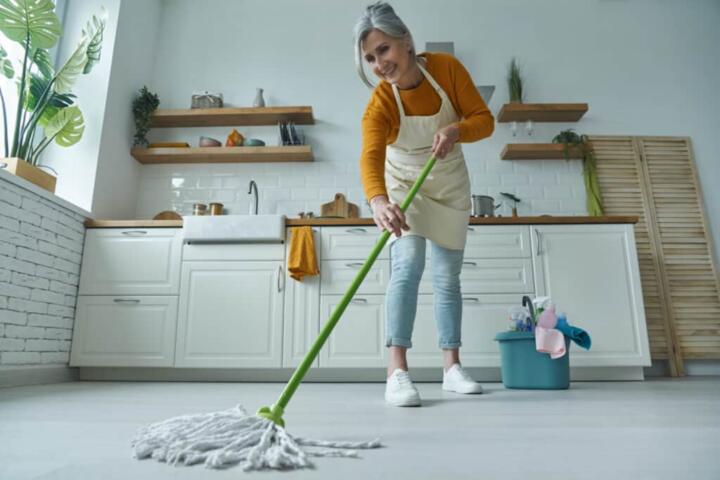
The Science of NEAT
The concept of converting property maintenance into fitness centers on Non-Exercise Activity Thermogenesis (NEAT). This refers to the energy expended for everything we do that is not sleeping, eating, or sports-like exercise. Research by the Mayo Clinic indicates that NEAT can vary by up to 2,000 calories per day between two people of similar size, depending on their activity levels at home.
Practically, this means that deep-cleaning a 2,000-square-foot home isn't just a chore; it is a two-hour metabolic event. According to MyFitnessPal data, heavy yard work like hauling mulch or digging can burn between 400 and 600 calories per hour, rivaling a session on an elliptical trainer but with the added benefit of functional resistance training.
Functional Movement Patterns
Chores naturally mimic foundational gym movements. Scrubbing floors on hands and knees involves core stabilization and shoulder endurance similar to a plank with reach. Lifting heavy bags of soil or groceries requires a proper deadlift form to protect the posterior chain. When we view these tasks through a biomechanical lens, the home becomes a playground for multi-planar movement.
Fitness Pitfalls
The primary mistake individuals make is viewing chores as a "nuisance" to be finished quickly rather than an opportunity for movement. This mindset leads to poor ergonomics, such as hunching over a vacuum or twisting the spine while shoveling snow. These repetitive, unoptimized movements often result in lower back strain or repetitive stress injuries rather than fitness gains.
Furthermore, many fail to track the intensity of their home-based activity. Without monitoring heart rate or duration, it is easy to overestimate the effort. Relying on "feeling tired" is a poor metric for progress; true physiological adaptation requires consistent, intentional load and heart rate elevation that many accidental exercisers lack.
The Risk of Asymmetry
Most people have a dominant side they use for tasks like mopping, raking, or carrying heavy loads. Using only your right arm for high-repetition tasks leads to muscular imbalances. Over time, this causes postural shifts and joint pain. Professional trainers emphasize the "switch-side" rule to ensure bilateral development, a practice rarely followed by the average homeowner.
Optimizing Home Effort
To turn cleaning into a workout, you must increase the range of motion and intensity. When vacuuming, utilize deep lunges for every forward stroke. This engages the glutes and quadriceps while maintaining a neutral spine. Tools like the Dyson V15 can provide feedback on dust levels, but the real metric is your heart rate, which should ideally reach 50-60% of your maximum during heavy cleaning.
Yard work offers the highest resistance training potential. Instead of using a self-propelled mower, use a manual reel mower or a push mower without the drive engaged. This converts a simple walk into a weighted sled push. For leaf removal, using a traditional rake instead of a leaf blower increases caloric burn by 300% per hour while improving grip strength and rotational core stability.
High-Intensity Intervals
Implement a "Chore-HIIT" structure. For instance, spend 5 minutes of intense, fast-paced window scrubbing (upper body focus), followed by 2 minutes of vigorous stair climbing while carrying laundry (lower body and cardio). Using a wearable device like an Apple Watch or a Garmin Fenix allows you to categorize these activities under "Other Workout" or "Functional Strength" to track metabolic trends.
Ergonomic Load Management
When lifting heavy items like furniture or 40-lb bags of salt, apply the "hip hinge" technique used in powerlifting. Keep the load close to your center of gravity. For overhead tasks like cleaning gutters or painting, engage the core to prevent over-arching the lower back. Utilizing a sturdy Gorilla Ladder ensures a stable base, reducing the risk of stabilizer muscle strain from balancing on uneven surfaces.
Domestic Fitness Impact
Consider the case of a 45-year-old remote worker, "Client A," who struggled with sedentary weight gain. By replacing a 3-day gym split with "Active Property Management," they integrated 60 minutes of vigorous yard work (mowing, weeding, pruning) and 30 minutes of heavy interior cleaning daily. Within 12 weeks, their resting heart rate dropped by 8 beats per minute, and they lost 14 pounds without changing their caloric intake.
Another example involves a property manager who utilized "stair-stacking"—carrying items up and down stairs one by one rather than in a single trip. Over a month, this added 4,000 steps and 150 floors of elevation gain to their baseline activity. Using a Whoop strap to measure recovery, they found that their "strain score" matched their previous CrossFit sessions, with significantly less joint inflammation due to the lower impact nature of the movements.
Task vs. Exercise Value
| Domestic Task | Gym Equivalent | Primary Muscles Involved | Calories/Hour (Avg) |
|---|---|---|---|
| Scrubbing Floors | Plank & Core Twists | Abs, Shoulders, Triceps | 250 - 300 |
| Heavy Raking | Cable Rows / Rotational Twists | Back, Obliques, Forearms | 350 - 450 |
| Mowing (Push) | Weighted Sled Push | Quads, Glutes, Calves | 400 - 550 |
| Painting Walls | Low-Weight Lat Raises | Deltoids, Traps, Biceps | 200 - 250 |
| Shoveling Snow | Deadlift to Press | Full Body / Posterior Chain | 500 - 700 |
Avoiding Home Injury
The most dangerous habit is the "cold start." Most people jump into heavy yard work without a warm-up. Spend five minutes doing dynamic stretches—arm circles, leg swings, and torso twists—before lifting heavy bags or starting a mower. Treat the chore like a gym session; your muscles require oxygenated blood flow to perform safely and efficiently.
Another error is dehydration. Homeowners often forget to drink water because they are in a familiar environment. High-intensity chores in the sun or even indoors during winter (with the heat on) can lead to significant fluid loss. Aim for 8-10 ounces of water for every 20 minutes of vigorous property maintenance to maintain cognitive focus and muscle function.
Gear Matters for Safety
Don't work in flip-flops or worn-out sneakers. Proper footwear with arch support and traction, like Merrell work boots or Cross-Training shoes, is essential to prevent slips and provide a stable base for lifting. Additionally, using ergonomic tools from brands like Fiskars—which are designed to reduce joint impact—allows for longer duration activity with less post-chore soreness.
FAQ
Can chores replace the gym?
For cardiovascular health and functional tone, yes. However, for maximum hypertrophy (muscle growth) or elite athletic performance, chores lack the specific progressive overload found in a weight room. For the average person seeking health, it is an excellent primary or supplemental activity.
How do I track chore effort?
Use a heart rate monitor. If your heart rate is in the 110-140 bpm range, you are in the "aerobic zone." Apps like Strava allow you to log manual activities; labeling a heavy gardening session as "Work" helps track your weekly physical load.
Is it safe for older adults?
Yes, property maintenance is a form of "age-in-place" training. It maintains balance and bone density. However, seniors should focus on stability and avoid heavy overhead lifting without assistance. Using tools with long handles can prevent excessive bending.
How often should I do this?
Frequency is more important than duration. Engaging in 20-30 minutes of "active chores" daily is more beneficial for metabolic health than a single 4-hour marathon session once a week, as it keeps the metabolism consistently elevated.
What if I live in an apartment?
Internal maintenance still counts. Hand-washing dishes, deep-cleaning windows, scrubbing the tub, and rearranging furniture are high-yield activities. You can also utilize the building stairs for "weighted carries" when bringing in groceries or packages.
Author’s Insight
In my years of studying human movement, I have found that the most "fit" individuals aren't always the ones with the most expensive gym memberships, but those who never stop moving. I personally treat my Saturday morning yard work as my "Leg Day." By consciously engaging my core while using a weed whacker and performing walking lunges while picking up debris, I achieve a level of fatigue that feels more natural and rewarding than a treadmill. My advice: stop outsourcing your chores. The money you save on a lawn service or a cleaning crew is a direct investment in your own physical longevity.
Summary
Transforming property maintenance into a fitness regimen is a pragmatic solution to modern sedentary lifestyles. By applying athletic principles—such as proper form, bilateral symmetry, and intensity tracking—to everyday tasks, you can achieve significant health milestones. The key is intentionality. Treat your home as your gym, your chores as your sets, and the maintenance of your property as the maintenance of your body. Start today by choosing one task to perform with high intensity and perfect posture; the cumulative effect on your health will be profound.