Understanding Wild Edibles
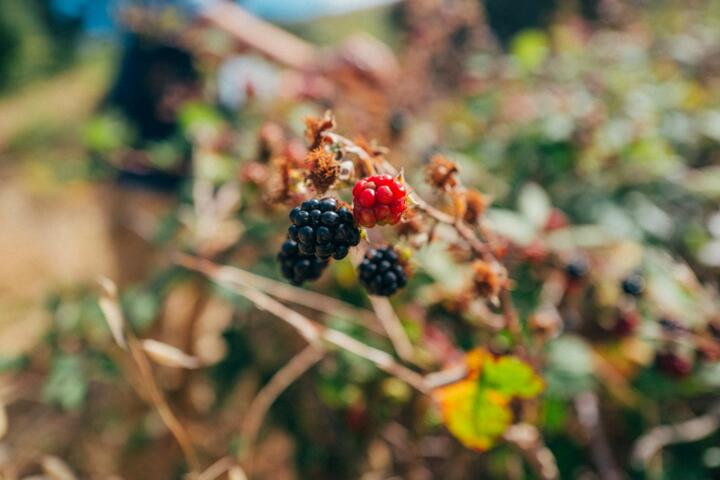
Foraging means searching for wild food that grows naturally on your property. Think beyond store-bought produce. I’ve gathered dandelion greens from my backyard spring patch for salads and spotted blackberries ripening by early August consistently for five years in a row. Wild edibles like purslane, wood sorrel, and stinging nettle offer nutrients comparable to cultivated greens but at zero cost.
Across North America, about 200 commonly found wild plants have edible parts, and several have historical uses in traditional diets. Wild ramps become fleeting spring treats with intense onion flavor; I harvested 2 pounds last April without injuring the patch.
Much grows unnoticed on ordinary land. Leafy greens, nuts, mushrooms, and berries often appear in unclaimed corners, fence lines, or wood edges.
All it takes is knowing how to identify these plants safely and correctly.
Where Foraging Goes Wrong
Misidentification is the biggest hazard in foraging. Mistaking a toxic lookalike for an edible species leads to illness or worse. For instance, hemlock and wild carrot leaves look superficially similar but one is deadly. Lack of understanding leads many to pick too much or damage fragile populations.
Ignoring local regulations causes street-level conflicts—some municipalities prohibit harvesting anything on public or private lands without permission. Overharvesting rare species disrupts ecosystems and reduces resources for wildlife.
Harvesting without knowledge often results in gathering low-nutrient or flavorless plants—wasting time and effort. I’ve seen enthusiastic beginners pick oversized dandelion roots early in the season—bitter and woody rather than tender leaves suitable for eating.
Foragers sometimes forget seasonal timing. For example, fiddlehead ferns are edible only very briefly in early spring before becoming fibrous and toxic.
Practical Foraging Tips
Learn Plant Identification Thoroughly
Start with widely accepted field guides like ""Peterson Field Guide to Edible Wild Plants"" (latest 2019 edition). Apps like Seek or iNaturalist help but never rely solely on them. Handling plants while double-checking leaf shape, stem texture, flower details, and habitat helps avoid dangerous errors. Tracking 20 key edible species on my land took a season.
Use Test-and-Confirm Methods
Avoid eating unknown plants raw. Use the Universal Edibility Test from survival manuals: test on skin, lips, then small mouth portions over three days. This slow approach avoids allergic reactions or mild toxins. It’s not fun but pays off.
Utilize Tools for Foraging
Bring a sharp knife, gloves, a basket with air circulation holes, and a magnifying loupe for examining small plant parts. I got my loupe during a 2022 local foraging meetup; it helped identify dock seed hairs, confirming non-edibility.
Respect Seasonal Cycles
Plan for early spring greens, summer berries, and autumn nuts. Identify peak windows: wild garlic from mid-March to April, black walnuts harvested after the green husk falls between September and October. Tracking exact timing over years allows maximum harvest without harming plants.
Stick to Safe Locations
Avoid foraging near roadsides, industrial areas, or lawns treated with pesticides. These spots accumulate heavy metals or chemicals. My reliable spots lie a quarter mile from main roads and remain pesticide-free since 2018.
Rotate Harvest Areas
Don’t strip one patch bare. Rotate between multiple spots on your land so wild populations regenerate. Label them on maps or GPS—you’ll notice when plants rebound or want rest. I divided my five-acre property into seven sections for foraging rotation.
Leverage Community Resources
Local foraging groups and workshops offer hands-on help. Places like the Wild Food UK Network or regional Facebook groups often organize guided walks. My first foray in May 2021 was with one such group; they pointed out identifying chickweed and yarrow, which, frankly, most people skip.
Preserve Edible Plants After Picking
Some wild greens keep well refrigerated up to a week; others, like fiddlehead ferns, deteriorate quickly. Blanching then freezing often extends shelf life significantly—eight months or more in my experience.
Document Your Finds
Keep a photo diary or journal of locations, dates, and species. This builds your knowledge base and helps spot changes across years caused by weather or land management.
Real-Life Forage Success
A midwest family farm started a small wild food venture after training with local experts in 2020. They found abundant ramps and elderberries on their 10-acre property but initially harvested immature leaves. After adopting seasonal guides and rotating picking, they produced 150 pounds of wild greens for local markets and restaurants in 2022, increasing profit by 30%.
Another case, a landowner in Oregon used foraging apps and books to familiarize with mushrooms in a 3-acre woodlot. Skirting one deadly species, he safely harvested 20 pounds of chanterelles each fall; sales to a farm-to-table restaurant produced over $1200 income three seasons running.
Checklist for Foraging Steps
| Step | Action | Tools | Outcome |
|---|---|---|---|
| 1 | Select Local Edible Species | Field guides, apps | Identified safe plants |
| 2 | Verify Plant Identity | Magnifying loupe, expert | Avoid toxic confusion |
| 3 | Choose Picking Location | GPS, maps | Harvest in safe spots |
| 4 | Harvest Sustainably | Knife, gloves | Plant regeneration enabled |
| 5 | Test Edibility | Universal test | Confirm safety |
| 6 | Preserve and Store | Refrigerator, freezer | Prolong quality |
Mistakes to Avoid
Overconfidence kills. Just because you recognize a plant doesn’t mean you know how to prepare it correctly. I’ve seen rookies pick false morels and rush to cook them without drying—wasting weeks of foraging training.
Pick only from clean areas—urban runoff or pesticide overspray contaminates plants. Don’t trust unreliable sources online; many common wild plants have dangerous lookalikes. Avoid foraging in private land zones without explicit permission; conflicts escalate quickly and landowners get upset.
Never assume wild food replaces a balanced diet. It supplements, occasionally enriches, but over-reliance leads to nutritional imbalance.
FAQ
How do I start foraging safely?
Begin by learning a few easy, unmistakable edible plants, like wild blackberries or dandelions, using reliable guides. Join local groups for practical experience.
Are all mushrooms safe if cooked?
Definitely no. Many mushrooms remain toxic even cooked; proper identification is critical. Avoid unless guided by an expert.
Can I forage from urban areas?
Urban foraging involves risks from pollution and chemicals. Only pick away from traffic, sprayed lawns, or industrial sites.
How much wild food can I take from my land?
Harvest lightly—generally no more than 10-20% of a patch to allow for regrowth and wildlife.
What tools help with foraging?
A sharp knife, gloves, breathable basket, plant field guide, and a magnifying glass simplify identification and picking.
Author's Insight
I've spent over a decade combining backyard gardening with foraging wild edibles on multiple properties. The richest finds came from consistent observation over years, not rushing out for quick grabs. Rotating our picking spots prevents depletion, which many beginners neglect, ironically damaging their own food sources. Documenting the seasons’ shifts helps adapt harvests accordingly, a practice I've seen pay off more than any app or single guide.
Foraging blesses you with surprises — that first bite of wild garlic in April or ripe elderberry in September feels rewarding beyond the meal itself. Still, knowledge guards you from nature’s hidden dangers.
Summary
Effective foraging blends patient learning, respect for nature’s cycles, and cautious verification. Focus on building your identification skills from trustworthy sources and always test unknown plants safely. Harvest responsibly and rotate your sites to maintain wild populations. By treating your land as a living, shared pantry, you gain nutritious food and deepen your connection with the environment — a rewarding pursuit well worth the effort.