Starting Rural Life
In the first twelve months after moving to a rural area, everyday routines change dramatically. Roads may lack consistent maintenance, with snow removal delays up to 72 hours reported in March 2023 in parts of rural Montana. Internet speed averages just 15 Mbps in many villages, compared to urban averages above 100 Mbps. Farming communities with as few as 100 residents rely heavily on informal exchanges for goods and services, which requires adjustment.
Expect slower, more deliberate rhythms. Imagine waiting a week for a specialty part delivered by mail or having your closest hospital 30 miles away, accessible only by a two-lane road. Everyday convenience shifts to resourcefulness and planning.
Common Challenges Faced
Many newcomers underestimate isolation’s depth and the physical limits of rural infrastructure. Failing to anticipate this leads to frustration and impact on mental health, especially in the winter. For example, if you rely on a daily Starbucks, prepare for coffee habits to end abruptly or require a 45-minute drive.
Transportation gaps, spotty healthcare access, and the lack of retail diversity worsen costly errands and emergency readiness. Seasonal weather can shut down roads, which then cascade delays into every aspect—from mail delivery to schooling. Community integration often involves years, not months. Social bonds form slower than expected.
Steps for Adaptation
Optimizing Local Transport
Car ownership is non-negotiable; public transit rarely exists outside bigger towns. Maintain your vehicle in good condition to avoid long roadside waits. The state of Vermont offers free winter driving clinics yearly; they boost confidence and reduce accidents by 30%. Keep an emergency kit: water, blanket, jumper cables. Apps like Waze help navigate sudden closures.
Securing Reliable Internet
Satellite internet providers like Viasat or Starlink offer feasible bandwidth, but latency and weather can impair reliability. Use dual connections: cellular hotspot plus satellite backup. Download work files for offline use. Many remote workers find mesh routers combined with extenders improve indoor coverage substantially, especially in large wooden homes.
Connecting With The Community
Attend local events; churches and agricultural co-ops run weekly or monthly gatherings. Joining them builds trust and leads to informal job or barter networks. Expect invitations to potlucks or volunteer fire departments—it’s social glue. Local Facebook groups and Nextdoor bring updated information about utilities or local weather disruptions.
Planning Healthcare Access
Register with the nearest clinic immediately. Consider telemedicine services like Teladoc that some rural insurers provide free of charge. Keep a detailed health file accessible offline for emergencies. Rural areas often have paramedics reachable via monitored radios, and knowing their procedure can save crucial hours.
Adapting to Seasonal Schedules
Seasons dictate workload and social life. Snow usually peaks late January, reducing travel options by 10–14 days yearly. Farming cycles impose early mornings and physical labor irregularities. Prepare your calendar around these rhythms by front-loading errands in mild weather. This strategy reduces crisis trips.
Managing Supplies and Markets
Stockpile nonperishables smartly; losing one trip to the store due to weather can mean weeks of short supply. Use platforms like Farmigo or LocalHarvest to order farm-fresh produce with scheduled pick-ups. Larger purchases—tools, machinery—may require special trips to towns 50+ miles away.
Child Education and Socialization
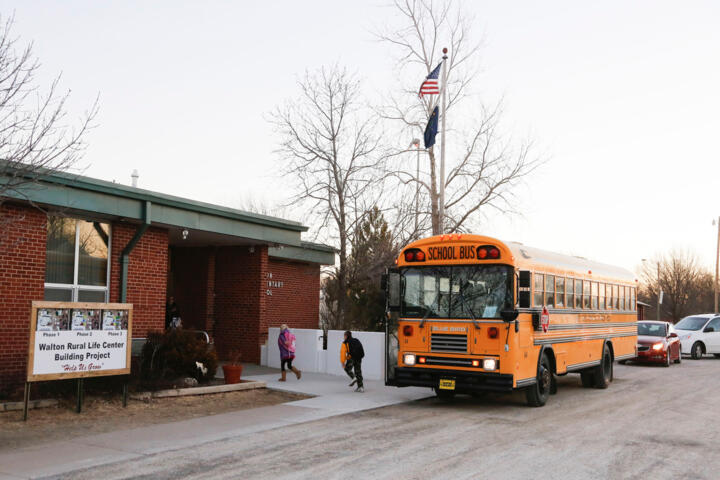
Schools might be far; bus rides can exceed 45 minutes. After-school activities are limited, so home-based supplemental learning or online classes fill gaps. Summer camps or cooperative sports leagues build friendships, crucial when peers are few and scattered.
Emergency Preparedness
Emergency response times vary but can be double those in urban areas. Stock up on first aid kits and learn basic medical skills. Community emergency drills often happen wintertime, with local fire stations encouraging participation.
Financial and Legal Matters
Property taxes can differ markedly; some rural counties cap increases to 3% yearly. Understanding land zoning and water rights early avoids disputes. Local governments often maintain minimal office hours, so schedule visits ahead.
Real-life Examples
Jenna relocated from New York City to a rural town in Oregon in 2022. Her biggest surprise: a 45-minute trip to buy basic groceries. She used online co-ops for weekly farm deliveries, cutting trips by 60%. Jenna joined the local fire department, which led to lasting friendships and emergency confidence.
Tom, a Nebraska cattle rancher, found his satellite internet dropped during storms. Installing a cellular booster, costing around $400, improved connection and reduced outages drastically. His family’s children started homeschooling part-time using a curriculum tailored by the state education department.
Transition Prep Checklist
| Aspect | Action | Tools | Result |
|---|---|---|---|
| Transport | Buy AWD car; keep emergency kit | Waze app; local driving clinics | Safer travel; fewer delays |
| Internet | Subscribe satellite & cellular | Starlink; hotspot devices | Stable connection; work flexibility |
| Community | Attend events; join groups | Facebook; local churches | Strong ties; resource sharing |
| Healthcare | Register local clinic; telemedicine | Teladoc; local paramedics | Reduced risk; timely care |
| Supply | Order essentials; plan stockpile | Farmigo; LocalHarvest | Fewer shortages; less stress |
Frequent Pitfalls
Neglecting to anticipate seasonal extremes prompts emergencies that drain finances and morale. Missing social opportunities delays trust-building and access to informal help. Ignoring vehicle maintenance in a rural setting risks being stranded hours from help. Overreliance on city-style convenience leads to frustration—planning trumps impulse.
Don’t postpone meeting neighbors or joining local organizations. They know unofficial road conditions, upcoming weather events, and community offers that never appear online. Skipping insurance reviews causes gaps in coverage for farm equipment or long-distance medical evacuations.
FAQ
How do I find reliable utilities?
Start by contacting the local county office for regulated providers. Ask neighbors for recommended electricians and plumbers. Rural coop utilities often require membership and have slower response times.
What’s the best way to build friendships?
Frequent public events or volunteer in community groups. Participating in a single local project, like planting trees or a town cleanup, builds immediate connections.
How do I handle schooling in remote areas?
Combine public school with homeschooling and digital enrichment. Many districts offer after-school transport programs and online resources specific to rural students.
Is a satellite internet plan worth it?
Yes, especially when 4G cell coverage is patchy. Starlink has improved latency but expect occasional disruptions during storms.
What basic tools should I have on hand?
A quality chainsaw (Stihl MS 271 is reliable), hand tools, spare tires, jump leads, and a comprehensive first aid kit are minimal essentials.
Author's Insight
Living through my first year rural taught me to respect time differently. Emergencies take twice as long, social warmth counts double, and technology fills gaps but falls short sometimes. I recommend newcomers build redundancy in critical services: transport, network, healthcare. Trust takes time, so start near day one; it pays off faster than you think.
Key Takeaways
Your first year living rural is full of adjustments to infrastructure limits, social pace, and seasonal constraints. Prepare by securing reliable transport, internet, healthcare, and community ties early. Stockpile and plan around weather. Embrace slower rhythms and local culture while keeping flexible backups. Pay attention to maintenance and communication tools to reduce stress and increase self-sufficiency.