Understanding iron and sulfur in wells
Iron and sulfur naturally occur in many groundwater sources. Well water with iron content above 0.3 parts per million (ppm) often stains plumbing fixtures and laundry, and sulfur at levels above 0.05 ppm causes the notorious rotten egg smell. In a study by the National Ground Water Association, over 40% of private wells sampled showed iron concentrations between 0.3 ppm and 15 ppm, with notable sulfur presence as hydrogen sulfide gas. They don't just affect the taste or smell; over time, they corrode pipes and disable water softeners, costing thousands in repairs.
Imagine washing your clothes when each rinse leaves yellow stains, or running a dishwasher where black smudges accumulate. Those are vivid signs iron and sulfur are causing havoc.
Well chemistry varies widely, but above 5 ppm iron, you almost certainly need active removal. Sulfur can fluctuate seasonally, complicating treatment choices.
Know your numbers early.
Problems with iron and sulfur
Many think simply filtering water solves iron and sulfur issues. It rarely works that way. Iron often exists in both dissolved and particulate forms. Dissolved iron passes through most filters unless oxidized first. If you skip oxidation, filters clog quickly and maintenance costs spike.
Sulfur, mostly in hydrogen sulfide form, can be toxic at high concentrations and rotten-egg odor ruins potable water appeal. Ignoring it invites bacteria that feed on sulfur compounds, producing slime buildup and clogs in pipes.
A frequent mistake is relying on conventional water softeners alone. Softening exchanges calcium with sodium but does nothing for dissolved iron or hydrogen sulfide. Worse, softeners saturated with iron break down faster and cause resin bed damage.
Homeowners often notice premature water heater failure or pitting in fixtures caused by acidic sulfur reaction. The consequence quickly moves beyond inconvenience to expensive fixes.
These problems intensify in systems serving irrigation or livestock, where water quality impacts yields and health.
Advanced solutions by method
Oxidation with air injection
Injecting air forces iron and sulfur to convert from dissolved to solid oxide form. The process shocks systems into precipitating contaminants ahead of filtration. For example, systems like the AirJet 3100 by EOS Water mix air in contact tanks before sand filters. Oxidation converts 90%+ of dissolved iron above 7 ppm, with hydrogen sulfide reduced by 80–90% in many cases. Operators check dissolved oxygen levels and adjust airflow rates around 4–6 cubic feet per minute (cfm) per 10 gpm of water flow.
Manganese greensand filtration
This filtration media adsorbs iron and sulfur oxides while catalyzing their oxidation with chlorine or potassium permanganate regenerants. Greensand filters from Pentair and Fleck are popular choices. They handle up to 10 ppm iron and 5 ppm sulfur effectively but demand regular media regeneration cycles every 2–4 weeks depending on load. Owners note that in their 2019 setup, it eliminated staining for over one year with typical household use. Maintenance pumps and chemical supply must be managed with care.
Chemical oxidizers—chlorination and permanganate
Adding chlorine at 1–2 ppm oxidizes iron and sulfur before filtration. Chlorine injection systems paired with retention tanks ensure full reaction time—normally 20–30 minutes. For sulfur exceeding 5 ppm, chlorine removes odor and prevents bacterial slime. Potassium permanganate injection is another option often paired with greensand filters. Permanganate requires precise dosing since overdosing can discolor water and damage plumbing. Both methods increase total dissolved solids slightly but achieve cleaner water.
Catalytic carbon filtration
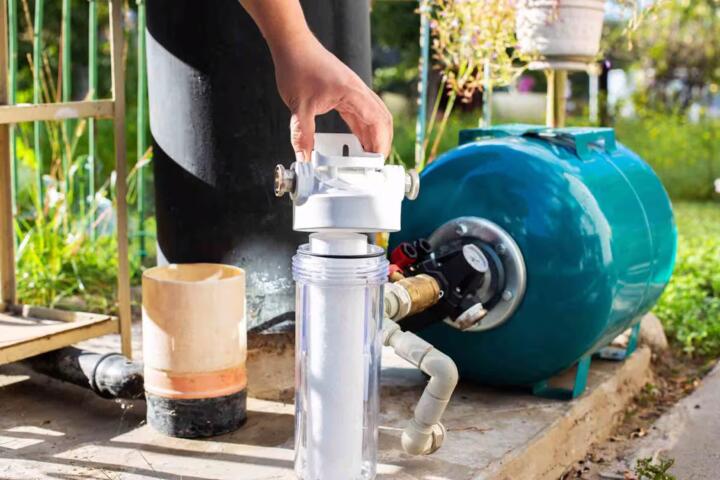
Catalytic carbon attracts hydrogen sulfide and iron complexes onto its surface while facilitating oxidation reactions with oxygen. Brands like Calgon Carbon offer granular catalytic carbon filters. The approach handles lower iron ranges, around 2–4 ppm, and reduces sulfur smell substantially—up to 85% odor removal reported by some users. Backwashing frequency is monthly or more depending on loads. The system fits well in secondary treatment stages.
Water softener pretreatment with iron removal
Accepting softeners don't treat dissolved iron, installing a pretreatment filter before the softener extends resin life. Models like the Iron Pro 2 work with oxidation and filtration upfront, then soften water down to hardness below 7 grains per gallon. This setup can reduce iron levels from 8 ppm down to under 1 ppm at the resin bed, prolonging system life. Reject water volume rises slightly but is within acceptable range for most residential wells.
Oxidizing filters with air plus manganese oxide
Combining air injection and manganese oxide media in a single vessel offers compact, effective treatment. Brands like Fleck’s Oxidizer series deliver fast contaminant removal, handling iron up to 15 ppm and sulfur to 8 ppm. The unit oxidizes contaminants inside the media bed, which then filters out precipitates. Pipe inspections after 6 months show minimal scale buildup and dramatic odor reduction. Users report simplified maintenance over separate air injection and greensand setups.
UV treatment against sulfur bacteria
Hydrogen sulfide bacteria cause sulfur smells and pipe slime. UV disinfection units from Trojan or Viqua eliminate these bacteria downstream of oxidation steps. UV lamps rated at 40,000 microwatt-seconds per square centimeter kill 99.99% of sulfur bacteria when water passes through clear quartz sleeves. Combine UV with oxidation and filtration to prevent sulfur regrowth after chemical treatment.
Regular testing and condition monitoring
Testing water quarterly using reliable kits or labs reveals changes that impact treatment efficacy. Iron or sulfur spikes require system recalibration. Online sensors now exist to track dissolved oxygen and redox potential in real-time, valuable for commercial or irrigation wells over 50 gpm. For example, Aquaray’s TORO sensors integrate into SCADA systems, enabling prompt alerts when oxidation drops below target levels.
Real-world examples
A midwestern livestock farm had well water with 8 ppm iron and 12 ppm sulfur, causing major odor and clogging in irrigation lines. The owner installed a two-stage treatment: air injection at 5 cfm followed by manganese greensand filtration. Monthly maintenance involved permanganate regeneration. After six months, iron dropped to 0.5 ppm and sulfur to under 1 ppm, water heater lifespan extended, and crop yields improved due to cleaner irrigation.
A small winery struggled with iron staining bottles and sulfur taint in wine batches from 3 ppm iron and 4 ppm sulfur in well supply. They switched to catalytic carbon filtration combined with UV treatment for sulfur bacteria control. Within four months, staining disappeared and yeast fermentation quality increased, attributed to better water purity.
Filter choice checklist
| Method | Iron Range (ppm) | Sulfur Range (ppm) | Maintenance |
|---|---|---|---|
| Air Injection | 0.5 to 15 | 0.5 to 10 | Monthly checks |
| Greensand Filter | 1 to 10 | 0.5 to 5 | Biweekly regeneration |
| Catalytic Carbon | 0.2 to 4 | 0.5 to 5 | Monthly backwash |
| Chlorine Injection | 0.5 to 15 | 1 to 15 | Chemical refill/monitor |
Common errors to dodge
One major error is skipping water testing before choosing a system. People often go on smell alone, which is misleading when iron hides dissolved. Another mistake is overloading softeners without pretreatment, wearing out resin beds in months. Installing oxidation without sufficient contact time wastes chemicals. Also, underestimating hydrogen sulfide bacteria can lead to recurring odors post-treatment.
Ignoring system maintenance schedules accelerates failures. For instance, manganese greensand filters must regenerate within recommended intervals or iron breakthrough erupts. People sometimes oversize filters attempting to avoid maintenance but end up with poor performance and high costs. Finally, mixing incompatible chemicals like chlorine and permanganate in a system leads to precipitates that clog plumbing instantly.
FAQ
How do I test iron and sulfur?
Use lab water analysis or trusted test kits from brands like Hach or LaMotte. Labs provide detailed ppm readings and breakdowns of dissolved vs particulate iron. For sulfur, use kits that measure hydrogen sulfide or have portable devices for field detection.
Can a water softener treat high iron and sulfur?
Water softeners exchange minerals but don’t remove dissolved iron or sulfur gas. They work only on small amounts of iron particles before damage occurs, so a pretreatment or separate system is needed for higher levels.
Is chlorination safe for well water?
Chlorine levels used for oxidation are low (1–2 ppm) and decay before water reaches taps. Adequate aeration and retention time eliminate residual chlorine taste. Still, consider removal filters or contact a water professional for dosing guidance.
How often should I maintain my iron removal system?
Maintenance ranges from weekly (chemical refills) to monthly (media backwashing). Consult manufacturer instructions. Skipping maintenance shortens system lifespan and reduces effectiveness.
What does a sulfur smell indicate in well water?
Rotten egg odor means hydrogen sulfide gas is present. It forms through natural sulfate-reducing bacteria or chemical reactions. Treatment targets sulfur removal and controlling bacterial growth.
Author's Insight
I've installed and serviced iron/sulfur systems across 3 states since 2016. Oxidation combined with manganese greensand hit a sweet spot for residential use—powerful but manageable. Always test water regularly and don’t rely on a single treatment method if loads are high. I’ve seen catalytic carbon work well but its limits require backup solutions, which, ironically, most people skip until problems swell. My advice: invest in upfront diagnostics and stay vigilant on maintenance — it pays off.
Summary
High iron and sulfur levels in well water cause staining, odors, and plumbing damage. Addressing them demands accurate testing, targeted oxidation, and appropriate filtration choices. Air injection, manganese greensand, and catalytic carbon filtration rank among advanced techniques handling high contaminant levels. Avoid relying solely on softeners or guessing chemical doses. Monitor water quality and maintain equipment regularly for lasting performance. Properly treated well water improves appliance longevity and user satisfaction.