Understanding hydroponic water care
Hydroponic water management involves controlling nutrient solution quality to maximize plant growth without soil. It means watching parameters like pH, electrical conductivity (EC), and dissolved oxygen closely. For instance, nutrient film technique (NFT) systems often need monitoring every 3-4 days to avoid nutrient drift. The average commercial system circulates between 200-300 gallons of water daily, demanding careful oversight to keep pathogens at bay.
Clean water flows through roots, delivering exactly what plants need. Neglect leads to clogged emitters or toxic buildup, reducing yield by up to 25 percent according to some growers. Systems can range from small 10-gallon tubs to industrial arrays serving thousands of plants, each with unique challenges in water hygiene.
Common water issues in hydroponics
Many operators overlook biofilm buildup inside pipes until plant health declines; by then, tomes of muck block flow. Nutrient imbalances arise because growers ignore pH fluctuations—nutrient uptake stalls when pH strays beyond 5.8-6.3 in hydroponics. Oxygen depletion happens too, especially in stagnant reservoirs, promoting root rot pathogens like Pythium, which thrives in low-oxygen zones.
Scaling up without proper water sanitation led my last client to a 40% drop in tomato fruit size. Fungal and bacterial contamination rounded out his problems, often traced back to improper cleaning schedules. Failing to replace solutions or flush systems introduces salt stress as nutrients accumulate unevenly.
So water quality doesn't just affect plant nutrition but system longevity. Pump failures, clogged filters, and algae growth plague neglected systems. Algae can double nutrient demands by competing for essential elements and clogging tubes with slime. I have seen farms shut down for days evaluating water sources that were never treated properly.
Water control: solutions in practice
Routine water testing and logging
Measure pH and EC daily using handheld meters like the Bluelab Combo (~$120). Log data digitally, with spreadsheets or dedicated apps like HydroManager. This habit uncovers gradual shifts before symptoms appear. Accuracy to ±0.1 pH units and EC within 0.1 mS/cm is necessary for good control. It seldom takes more than 10 minutes, but saves hours hunting root causes later.
Filtration systems installation
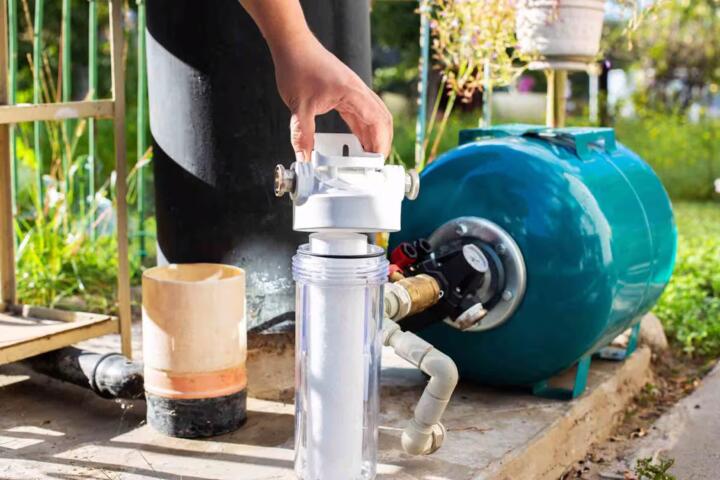
Install mechanical filters rated for 20 microns or smaller at inflow points. Clean filters weekly to avoid pressure drops. UV sterilizers—such as the Viqua VH410 system—reduce microbial load effectively by up to 99% when correctly sized and maintained per manufacturer's guidance. They cost about $800-1,200 but offset losses from disease outbreaks.
Regular flushing and reservoir changes
Flush systems fully with clean water every 2 weeks, or replace reservoirs if small (<100 gallons). This clears accumulated salts and waste. Flushing schedule varies with crop type and growth stage but skipping it leads to high EC levels (>3.0 mS/cm), stressing plants. Flushing after adding treatments like hydrogen peroxide (3 ml per liter) boosts oxygen and disinfects simultaneously.
Oxygenation techniques
Use air pumps or ozone generators to maintain dissolved oxygen above 6 mg/L. Simple aquarium-style air stones with pumps achieve this on most home systems for under $50. Higher oxygen content suppresses pathogens and stimulates root respiration. Ozone must be carefully controlled to avoid root damage but works as a disinfection booster in larger farms.
Cleaning protocols
Deep clean lines using acid-based cleaners (phosphoric or nitric acid solutions) monthly. Follow with neutralizing flushes to remove residues. Avoid bleach as it corrodes metal parts and releases harmful byproducts. Use brushes or pipe cleaners to physically remove biofilms. Checking for channel blockages prevents uneven nutrient distribution and ensures stable flow rates.
Automated dosing and alarms
Employ automated pH and EC controllers like the Hanna GroLine series for 24/7 adjustment and alerts. Systems notify growers via SMS when thresholds are exceeded, which, frankly, most people skip until they hit a problem. These units cost between $300-$600 but minimize human error and maintain consistency.
Water source and quality assurance
Test incoming water for hardness, chlorine, and microbial content quarterly. Reverse osmosis units improve water quality dramatically by removing salts and contaminants before nutrient addition. They cost roughly $1,000 but prolong system components' life and reduce disease incidence.
Monitoring temperature
Keep nutrient solution between 65-75°F (18-24°C). Warmer water lowers oxygen levels and speeds pathogen growth. Installing inline heaters or chillers can stabilize temps in fluctuating environments. Temperature sensors integrated into control systems automate alerts and adjustments, though setting them correctly takes trial over weeks.
Record keeping for adjustments
Document every water test and intervention with dates and measurements. Patterns emerge, aiding proactive maintenance. A lesson learned: good records caught a pH drift that otherwise went unnoticed till blossom end rot appeared in peppers.
Examples of system fixes
Urban Greens, a vertical farm in Austin, faced clogged drippers and inconsistent yields in 2021. They introduced weekly acid flushes, installed Viqua UV sterilizers, and shifted from weekly to daily pH monitoring. Production rose by 18% within three months, and downtime from blocked tubes dropped from 7 to 2 days monthly.
Meanwhile, Hydro Herbs Co. in Florida battled root rot outbreaks traced to low dissolved oxygen in stagnant reservoirs. They added aquarium air pumps and rewired lines for better circulation. Within six weeks, root health rebounded and harvested leaf biomass increased by about 12%. Their oxygen sensors (Hanna H198104) helped maintain setpoints effectively.
Water care checklist
| Task | Frequency | Tool/Method | Goal |
|---|---|---|---|
| Measure pH & EC | Daily | Bluelab Combo Meter | Stable nutrient levels |
| Flush system | Biweekly | Clean water flush | Remove salt build-up |
| Clean filters | Weekly | 20-micron filter | Prevent clogging |
| Run UV sterilizer | Continuous | Viqua VH410 UV | Reduce microbes |
| Adjust oxygen | Daily | Air pumps, stones | Maintain >6 mg/L DO |
| Record all data | Daily | Spreadsheet/app | Track trends |
Frequent mistakes
Many skip daily checks, assuming hydroponics is ""set it and forget it."" Systems go unchecked for weeks, letting pH climb to 7.2, a range toxic to nutrient uptake in most plants. Skipping filter cleaning leads to slow flow and root drying patches but growers only notice when symptoms appear.
Another error is overreliance on bleach for sanitation. Bleach residues kill beneficial microbes and corrode pipes after several cycles—those leaks cost money and labor. Also, ignoring dissolved oxygen kills beneficial root microbes needed for nutrient cycling.
Replacing nutrient solution only when plants wilt, instead of proactively, wastes yield potential. I once found a tomato farm replacing reservoirs every 45 days although industry benchmarks advise every 7-14 days for optimal growth. They lost both speed and quality.
FAQ
How often should I test hydroponic water?
Daily testing for pH and electrical conductivity is ideal. This prevents unnoticed nutrient imbalances that stunt growth. Quick handheld meters suffice for this frequency.
What is the best way to prevent biofilm?
Routine flushing with acid cleaners every 3-4 weeks combined with physical cleaning of tubes stops biofilm buildup. UV sterilization supplements but doesn't replace manual cleaning.
Can I use tap water directly in hydroponics?
Not without treatment. Tap water often contains chlorine, hardness minerals, or microbes that disrupt hydroponic balance. Reverse osmosis or carbon filtration usually precedes use.
Why does my water pH keep drifting?
Plant uptake changes ionic concentrations, causing shifts. Infrequent adjustments and lack of buffering solutions worsen this. Consistent monitoring and adjusting keeps pH in range.
Is oxygenating the solution necessary?
Yes, roots need oxygen for nutrient absorption. Stagnant water carries less oxygen and promotes pathogens. Simple aeration raises dissolved oxygen to healthy levels.
Author's Insight
After managing hydroponic systems for over a decade, clean water stands out as the single factor that dictates plant vigor and system uptime. Hands-on experience taught me that regular testing pays dividends, even if the numbers look stable initially. I've seen entire crops saved by oxygenation adjustments and timely flushing. The challenge is holding this discipline consistently—shortcuts often lead to more work and stress later.
Summary
Good hydroponic water management goes beyond adding nutrients; it demands strict control of pH, oxygen, and sanitation. Prioritize daily monitoring, scheduled flushing, and oxygenation to stave off pathogen outbreaks and nutrient lockouts. Recording changes uncovers patterns before they impact growth. Small investments in filtration and dosing systems yield tangible returns—keeping roots healthy and production steady.