Understanding Passive Solar Greenhouses
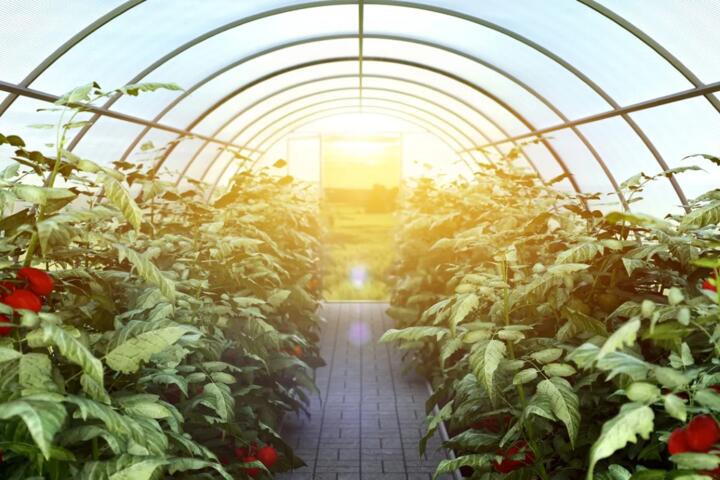
A passive solar greenhouse captures sunlight and stores heat without relying on traditional heating systems. The design relies on orientation, insulation, and thermal mass to trap solar energy throughout the day and gradually release it overnight. Typically, these greenhouses face true south in the northern hemisphere to maximize sun exposure, with glazing materials that transmit sunlight efficiently, such as double-layer polycarbonate panels or insulated glass.
For example, a 400-square-foot passive solar greenhouse can maintain internal temperatures 10–15°F above outside ambient air during winter nights. This temperature differential comes from strategically placed heat sinks like concrete floors or water barrels that absorb heat during the day and radiate it later.
Another fact: the average insolation value in many U.S. regions ranges between 4 and 6 kWh/m² daily, which can be harnessed effectively without wiring or external power.
Key Challenges in Passive Heating
Many builders fail to recognize that orientation and siding choices dramatically affect year-round performance. North-facing walls with windows, for example, lose heat fast and invite cold drafts. Also, neglecting proper insulation and ventilation often results in overheating midday and freezing at night.
Ignoring thermal mass leads to unstable temperatures, stressing plants and wasting potential warmth. In urban areas or shaded yards, insufficient solar input hampers heat gain regardless of greenhouse design. Plants die or grow stunted as a consequence, frustrating gardeners and wasting investments.
In winter climates below 20°F, relying solely on passive solar can backfire if the greenhouse leaks heat faster than it stores.
Practical Build Recommendations
Optimal Orientation and Glazing
Position the greenhouse so its longest wall faces within 15 degrees of true south. This placement captures sunlight from sunrise to early afternoon. Use high-quality triple-wall polycarbonate or double-pane low-E glass for glazing, balancing transparency and insulation. These materials retain heat better than single-pane glass and reduce UV degradation.
Thermal Mass Placement
Install thermal mass elements on the greenhouse side that receives full sun exposure during the day. Common options include barrels filled with water painted flat black, brick walls, or concrete slabs. Water barrels typically hold about 55 gallons each and can store nearly 450 BTUs per day, slowly releasing heat overnight.
Insulation Choices
Incorporate rigid foam boards or spray foam on north and east walls, plus the foundation perimeter to block ground chill. Moveable insulation blankets (like Reflectix) help trap heat after sunset, applied to the glazing surface for a few hours each night. Rigid EPS panels rated R-10 or higher work well in cold zones.
Ventilation and Airflow Controls
Install roof vents and louvered side vents with manual or automatic openers to regulate overheating risk and humidity. Passive vents paired with thermal chimneys create convective airflow, preventing stagnant hot air build-up. A solar-powered vent opener, model version 2024, costs under $70 and adjusts itself with temperature changes — handy for hands-off control.
Foundation and Floor Design
Concrete slabs with embedded thermal mass materials prove effective. Slabs at least 4 inches thick, with rebar reinforcement, store and radiate thermal energy. Alternatively, a compacted dirt floor covered with dark stone or tiles increases heat absorption compared to wood floors.
Greenhouse Frame and Sealant
Use untreated wood or aluminum frames with minimal thermal bridging to reduce heat loss. Apply high-grade silicone and weatherstripping along joints and doorframes to prevent drafts. Even tiny gaps under doors can drop internal temperatures by 5°F overnight.
Supplemental Heat Integration
Pair passive solar methods with small, efficient heat sources like propane catalytic heaters or wood stoves for extreme cold spells. Thermal mass retains their heat, minimizing fuel consumption. For instance, a 10,000 BTU catalytic heater can cover greenhouse volumes up to 1,000 cubic feet with minimal noise and odor.
Automation and Monitoring
Use temperature sensors connected to microcontrollers (Arduino or off-the-shelf kits) to automate vent opening, supplemental heat activation, or even irrigation. Such systems cost around $50–$100 and significantly reduce manual intervention.
Plant Selection and Layout
Place cold-tolerant and slow-growing plants closer to the north side, while tropical species occupy sunniest zones. Layering plant heights optimizes sunlight exposure and airflow, helping maintain stable conditions.
Real-World Examples
A small farm in upstate New York struggled with high heating costs, exceeding $300 monthly through winter. They built a 500-square-foot greenhouse oriented true south, using 12 water barrels for thermal mass and polycarbonate panels for glazing. Inside temperatures rarely dipped below 45°F, despite outdoor lows near 10°F. Their heating bill dropped by 65% that first winter.
Another case: a community garden in Denver installed reflective insulation behind their greenhouse panels and upgraded to automated vents. The modifications cut overheating midday by 40% and limited heat loss at night, improving plant survival rates by around 30% compared to previous years.
Checklist for Success
| Step | Action | Material/Tool | Outcome |
|---|---|---|---|
| 1 | South-facing wall | Measuring tools, compass | Max sun capture |
| 2 | Glazing installation | Polycarbonate panels, sealant | Heat retention |
| 3 | Thermal mass setup | Water barrels, bricks | Nighttime warmth |
| 4 | Insulation on cold walls | Foam boards, blankets | Prevent drafts |
| 5 | Vent installation | Solar vent openers | Temperature control |
Frequent Errors and Fixes
Too many builders install greenhouses without addressing ground heat loss. Most neglect insulation under slabs or perimeter footings, so the floor chills the air. Add at least a 4-inch EPS board under slabs to tackle this.
Another common slip-up is poor sealing around doors and vents. Use strong weatherstripping and silicone to stop drafts. Installing a plastic strip door curtain can reduce entry of cold air significantly.
Overlooking ventilation leads to overheating midday, roasting plants and stressing structure materials. Install automatic vents, or open manually before temperatures rise over 85°F.
FAQ
How large should my greenhouse be?
Size depends on available space and plant variety, but 10 square feet per mature plant is a good baseline; 200-500 square feet suits most home setups.
Which materials retain heat best?
Water barrels, concrete, and brick hold heat effectively; dark colors absorb more solar radiation. Combine with double pane polycarbonate for glazing.
Can I use solar panels for heating?
Solar panels can power electric heaters, but passive solar design reduces that need drastically by cutting ongoing energy costs.
How do I control humidity?
Ventilation is key: install adjustable vents and fans to prevent mold and condensation buildup inside your greenhouse.
Is it better to build attached or freestanding?
Attached greenhouses gain some heat from the building but lose flexibility; freestanding designs capture more sunlight and airflow but need more insulation.
Author's Insight
My hands-on experience building passive solar greenhouses taught me that patience matters more than high-tech gear. Once I adjusted the thermal mass placement and sealed every crack, the temperature swings stabilized significantly. Automating vents with solar openers saved me countless trips during winter. The biggest hurdle was overcoming initial drafts I hadn’t spotted, which, frankly, most people skip over. Keep experimenting with plant layout and insulation tape — they both matter more than I thought at first.
Summary
Building a passive solar greenhouse revolves around smart orientation, effective thermal mass, quality insulation, and adjustable ventilation. Choose durable glazing materials and seal gaps to trap warmth efficiently. Combine these with simple automation and careful plant placement to crop year-round at lower costs. Avoid underestimating drafts and forget heating bills worries for good. Start small, refine as you go, and reap longer growing seasons with less effort.