Winter Solar Challenges
Solar power is a leading renewable energy source, yet many users face seasonal hurdles in winter months. Snow accumulation on panels and diminished sunlight hours directly impact energy production. Understanding these challenges is essential for homeowners, businesses, and solar operators who want reliable power year-round. For example, in northern states like Minnesota, panels can be snow-covered up to 20% of winter days, significantly reducing output. Additionally, the average daylight drops by nearly 50% in December compared to June, influencing energy capture.
Main Problems of Winter
Snow Coverage on Panels
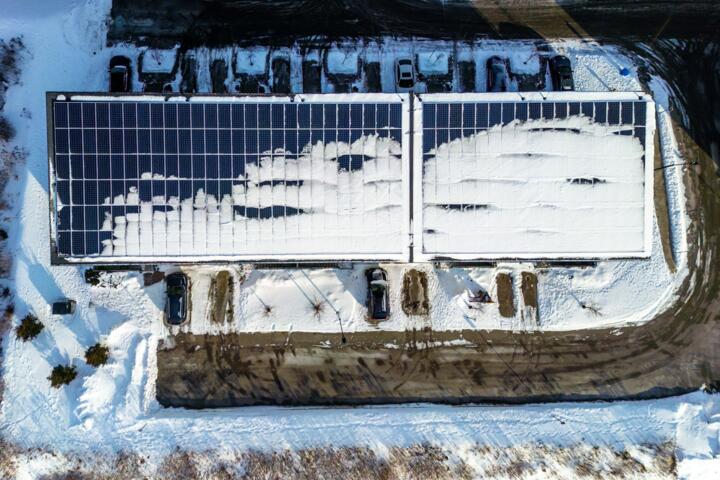
Snow physically blocks sunlight from reaching photovoltaic (PV) cells, drastically lowering energy output. Neglected snow buildup can reduce energy production by 30-50%. Many users do not prioritize snow removal, often waiting for natural melt, delaying immediate power generation.
Shorter Daylight Hours
Winter days are shorter, with an average of 8-9 hours of daylight compared to around 15 hours in summer in many regions. This reduces the window for solar irradiation, decreasing total energy generated daily. Some misinterpret this as poor system sizing rather than a seasonal factor.
Lower Sun Angles
The sun stays lower on the horizon, reducing the intensity and angle of sunlight hitting panels. This results in less energy capture unless systems are optimized for seasonal tilt adjustments.
Weather Conditions
Increased cloud cover and storms further limit solar radiation, posing a compounding challenge. Continuous cloudiness can reduce solar irradiance by 60-80% compared to clear days.
Winter Solar Solutions
Proactive Snow Removal
Manual snow clearing using roof-safe tools such as the SunPower Snow Rake or soft bristle brooms can restore panel function promptly. These specialized tools avoid panel damage. A case in Alaska showed a 40% increase in winter solar output by implementing regular snow clearing schedules.
Install Adjustable Tilt Mounts
Systems equipped with adjustable racks allow increasing the tilt angle up to 50-60 degrees in winter. This improves sunlight capture by aligning panels closer to the sun’s lower position. For example, Unirac Solar Mounts offer easy adjustment features. Studies reveal up to 25% performance gains in winter with seasonal tilt changes.
Use Microinverters or Power Optimizers
These devices ensure each panel operates at peak efficiency independently, optimizing energy capture even on partially shaded or snow-dusted panels. Brands like Enphase Microinverters have shown reliability in low-light winter conditions, reducing drop-offs from shading.
Implement Efficient Battery Storage
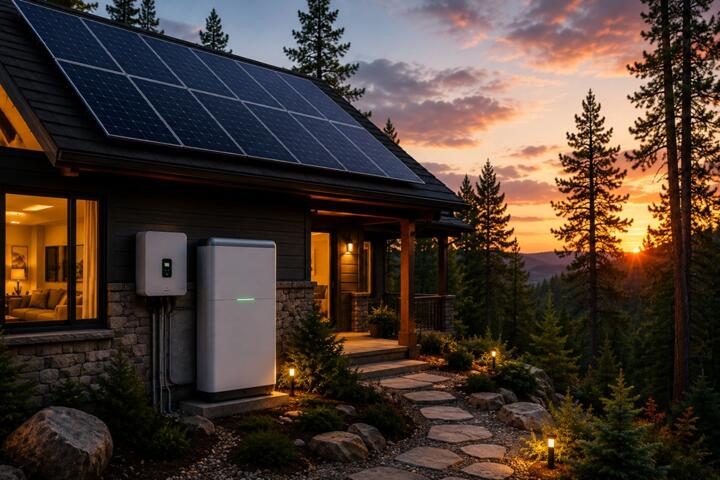
Storing excess summer power in batteries such as the Tesla Powerwall or LG Chem RESU can offset winter shortfalls. This allows users to draw from stored energy during low production times, maintaining stability.
Choose High-Efficiency Panels
Panels like SunPower Maxeon or LG NeON R perform better in diffuse light and partial shading caused by snow. They maintain higher energy yields per square meter up to 15% more than standard panels under winter conditions.
Winter Solar Case Studies
Case 1: Minnesota Commercial Rooftop
A Minnesota manufacturing facility suffered average winter production losses of 45% due to snow and short days. The solution involved installing adjustable tilt mounts and implementing proactive snow clearing protocols. Over the subsequent two winters, the facility increased winter production by 30%, and overall annual output rose by 10%. Investment in Enphase Microinverters enhanced panel-level efficiency under variable shading.
Case 2: Residential Solar in Vermont
A Vermont homeowner experienced poor solar output during November to February. After switching to higher efficiency LG NeON R panels and adding battery backup from Tesla Powerwall, winter energy autonomy improved by 35%. Manual snow removal combined with optimized tilt adjustments played a key role. This reduced reliance on grid electricity and lowered winter utility bills by $150 monthly.
Winter Solar Checklist
| Action | Tools & Brands | Purpose & Benefit |
|---|---|---|
| Snow Removal | SunPower Snow Rake | Clear panels for 40% output recovery. |
| Adjust Tilt | Unirac Mounts | Align with low sun; 25% gain. |
| Microinverters | Enphase, SolarEdge | Optimize output in shaded conditions. |
| Battery Storage | Tesla, LG Chem | Store summer energy for winter use. |
Frequent Mistakes
Ignoring Snow Buildup
Leaving snow to melt naturally for days causes unnecessary power loss. Regular clearing is critical, especially in heavy snowfall regions.
Fixed Tilt Systems
Failing to adjust panel angles for seasons means permanent energy inefficiency during winter months.
Underestimating Winter Production
Oversizing systems without understanding seasonal variability may lead to excessive costs without adequate winter returns.
Neglecting Maintenance
Lack of regular inspections results in dirt, debris, or partial shading going unnoticed, compounding winter problems.
Using Low-Performance Panels
Cheaper, low-efficiency panels lose disproportionately more energy in low-light conditions compared to premium models.
FAQ
How much does snow reduce solar panel efficiency?
Snow coverage can reduce solar panel efficiency by 30% to 50%, depending on the depth and duration of snow coverage.
Can solar panels work under snow?
Solar panels still generate some electricity under a light snow layer because certain wavelengths penetrate snow, but heavy coverage blocks most sunlight.
Is it necessary to remove snow from solar panels?
Yes, removing snow promptly helps maintain energy production. Using roof-safe tools prevents damage during clearing.
Does the angle of solar panels affect winter performance?
Absolutely. Seasonal adjustment to increase tilt angle in winter can significantly improve energy capture from low sun angles.
Are batteries essential for winter solar systems?
While not mandatory, batteries help store summer surplus energy to use during winter shortfalls, improving energy reliability.
Author's Insight
In my decade of installing and maintaining solar systems through harsh winters in the Northeast, I've seen how overlooked mitigation strategies can cripple performance. Simple actions like seasonal tilt adjustment and snow clearing create measurable gains that pay back quickly. My advice to solar users: invest in quality equipment upfront and maintain vigilant winter care to enjoy consistent year-round benefits. Technologies like microinverters and high-efficiency panels transform what used to be a seasonal liability into manageable challenges.
Summary
Winter solar challenges – snow accumulation, shorter days, and low sun angles – can be effectively managed through targeted strategies. Proactive snow removal, seasonal tilt adjustments, quality panel upgrades, and energy storage systems are critical. By implementing these actions, users can improve winter output by 25-40%, ensuring reliability and cost savings. Start with a winter optimization checklist and regular maintenance to maximize your system’s year-round potential.