The Circular Shift
Modern construction is undergoing a paradigm shift where "new" no longer equates to "better." The use of reclaimed timber, bricks, and steel is transforming from a niche aesthetic choice into a core requirement for circular economy compliance.
In practice, this looks like a tech headquarters in Seattle using glulam beams salvaged from 19th-century warehouses or a boutique hotel in London featuring facade cladding made from repurposed site-waste bricks. These materials carry a patina that synthetic aging cannot replicate.
Statistically, the building sector is responsible for nearly 40% of global CO2 emissions. Research by the Ellen MacArthur Foundation indicates that adopting circular principles in construction could reduce the industry's carbon impact by 3.8 billion tonnes by 2050.
Integration Hurdles
The primary mistake professionals make is treating reclaimed materials exactly like off-the-shelf products. Traditional procurement pipelines are not designed for the variability of salvaged stock, leading to significant delays and budget overruns.
Structural integrity is the most critical pain point. Without certified grading (like FSC-recycled or Eurocode 5 standards), engineers often refuse to sign off on load-bearing applications for old wood or steel, forcing teams to use them only as decorative veneers.
Consequences of poor planning include moisture-trapping issues when mixing old masonry with modern airtight membranes. This often results in mold growth or structural degradation within the first five years of the building's lifecycle.
Strategic Execution
Digital Material Passports
To overcome certification issues, use platforms like Madaster or BamB9. These services create digital twins of materials, documenting their origin, chemical composition, and remaining lifespan. This data provides the "trust factor" insurance companies and building inspectors require for occupancy permits.
Advanced Thermal Treatment
Reclaimed wood often harbors pests or high moisture. Implementing kiln-drying or thermal modification (ThermoWood process) stabilizes the cellular structure. This ensures that 100-year-old oak flooring won't warp when exposed to modern underfloor heating systems, maintaining dimensional stability within 1-2mm.
Precision Refurbishment
Utilizing CNC milling technology allows architects to take irregular salvaged beams and create precision joints. This bridge between "rough" history and "sharp" modernism allows for seamless integration. Companies like Rotor Deconstruction in Belgium have pioneered this by cleaning and resizing materials to modern tolerances.
Carbon Cost Accounting
Use Life Cycle Assessment (LCA) tools such as One Click LCA. By quantifying the "embodied carbon" saved, developers can often qualify for Green Building Tax Credits or LEED/BREEAM certifications. Using reclaimed steel, for instance, can save up to 95% of the energy required for virgin steel production.
Localized Supply Chains
Instead of shipping "antique" wood across continents, focus on urban mining within a 50-mile radius. Services like Rheaply help projects identify local demolition sites where materials can be diverted. This reduces Scope 3 emissions and supports the local economy while lowering logistics costs by 15-20%.
Hybrid Structural Design
Combine reclaimed elements with high-performance modern tech. Use a new steel frame for seismic stability but infill with salvaged non-structural timber or stone. This ensures safety compliance while maintaining the desired "soul" and ethical narrative of the project without compromising on modern safety codes.
Success Stories
Lendlease, a global developer, successfully implemented a "material circularity" pilot on a commercial project in Sydney. By sourcing 2,000 square meters of ironbark timber from a decommissioned wharf, they reduced the upfront carbon of the flooring system by 65% compared to new hardwood.
In another case, the "Resource Rows" housing project in Copenhagen by Lendager Group used entire sections of brickwork cut from abandoned breweries. This "upcycling" approach saved 450 tonnes of CO2 and created a facade that gained a 15% premium in rental value due to its unique architectural character.
Project Checklist
| Action Step | Primary Goal | Estimated Impact |
|---|---|---|
| Structural Grading | Safety & Compliance | 100% Risk Mitigation |
| LCA Analysis | Carbon Tracking | LEED/BREEAM Points |
| Kiln Drying | Stability | Zero Post-Install Warp |
| Urban Mining | Sourcing | 20% Lower Lead Times |
| Digital Passporting | Future Resale | High Asset Value |
Common Pitfalls
Never skip the hazardous material check. Old paints often contain lead, and older insulation may have asbestos traces. Always hire a certified third-party lab like SGS to perform toxicity tests before bringing materials into a residential interior.
Avoid "Greenwashing" by ensuring the materials are truly reclaimed, not just "distressed" new wood. Demand chain-of-custody documentation. If a supplier cannot prove the building of origin, the material's ethical and environmental value is effectively zero in the eyes of savvy auditors.
FAQ
Is reclaimed material more expensive?
Initially, labor for cleaning and grading can be 10-30% higher than new materials. However, when considering carbon credits, reduced disposal fees, and increased property value, the net ROI is often higher over a 10-year period.
Can reclaimed steel be load-bearing?
Yes, but it requires ultrasonic testing to check for internal cracks or corrosion. Once certified by a structural engineer, it performs identically to new steel but with a significantly lower carbon footprint.
Does it affect insurance premiums?
If the material is certified and the installation follows current building codes, it does not negatively impact insurance. Using digital passports actually makes the building more transparent and easier to insure.
How do I verify the material's history?
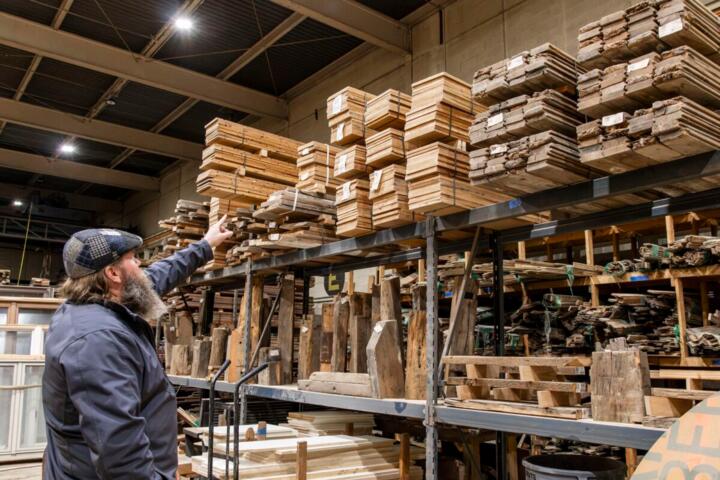
Look for providers who offer "Certificate of Origin" or "Material Passports." Established salvage yards often have photographic evidence of the deconstruction process which serves as a provenance record.
What is the best material to start with?
Softwoods and hardwoods for decorative elements (cladding, flooring) are the easiest entry point. For structural uses, start with reclaimed bricks or stone, which have very predictable performance characteristics.
Author’s Insight
Having overseen the deconstruction of several mid-century industrial sites, I have seen firsthand that the quality of 80-year-old "old-growth" timber is far superior to today's fast-grown plantation wood. My advice is to involve your structural engineer at the procurement stage, not after the material arrives on site. This proactive vetting is what separates a successful sustainable build from a logistical nightmare. Real luxury in modern construction isn't just about the finish; it’s about the story and the ethical footprint the building leaves behind.
Summary
Utilizing reclaimed materials is a strategic move that aligns architectural beauty with modern environmental mandates. Success depends on rigorous certification, digital tracking, and localized sourcing. Transition your procurement focus from "newest" to "most resilient" to ensure your projects remain relevant in an increasingly carbon-conscious market. Start by auditing local demolition permits to find your next high-value structural asset.