Energy Budgeting Shapes Off-Grid Life
Off-grid energy budgeting is the practice of matching your daily electricity demand to your generation and storage limits. It turns vague goals like “run the fridge” into a measurable plan: how many watt-hours you use per day, how many you can harvest in your worst month, and how much battery capacity you need to ride through cloudy stretches. A cabin that feels fine in summer can become frustrating in winter if the budget ignores seasonal solar output and battery depth-of-discharge.
For a practical example, a typical 12V off-grid setup might include a refrigerator, LED lighting, a water pump, phone charging, and a laptop. Each item has a power draw and a runtime pattern. If you budget only the refrigerator’s wattage and forget the pump’s surge current, the inverter can trip, or the battery can sag during startup. The budget also shapes your choices about appliances: a microwave, a hair dryer, and an electric kettle can dominate daily energy use even when used briefly.
Energy budgeting also affects comfort and safety. When loads exceed what your system can deliver, batteries cycle deeper than planned, inverters run near their limits, and wiring sees higher current. Those conditions shorten component life and raise the odds of nuisance shutdowns. In my notes from reviewing real system logs (I’ve seen this pattern in spreadsheets shared by owners), the “mystery” problems often trace back to a load list that was never converted into watt-hours.
Main Problems And Pain Points
People often treat energy budgeting as a one-time calculation, then change habits without updating the numbers. A new space heater, a second fridge, or more evening entertainment can shift daily demand enough to break the plan. Even small changes matter because battery capacity is finite and generation is seasonal.
Another common mistake is mixing power and energy. Power is measured in watts (W) and describes how fast a device consumes electricity. Energy is measured in watt-hours (Wh) or kilowatt-hours (kWh) and describes how much electricity you use over time. A 100W device running for 2 hours uses 200Wh, not 100W. When budgets confuse these units, the system ends up undersized, and the owner blames the inverter or the solar panels.
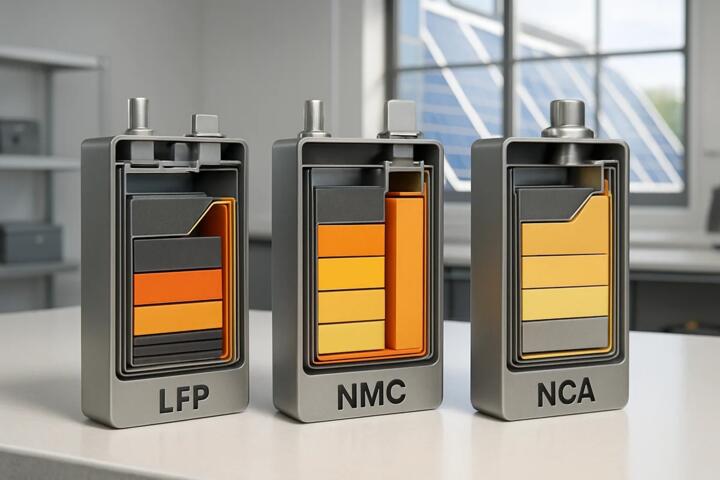
Off-grid systems also depend on supporting technologies that change real-world consumption. Inverters have conversion losses, charge controllers manage battery charging profiles, and battery chemistry affects usable capacity. Lead-acid batteries often require conservative depth-of-discharge to preserve lifespan, while lithium systems can tolerate deeper cycling depending on the manufacturer’s specifications. If you budget using “nameplate” battery capacity without applying a usable fraction, you plan for energy you cannot safely draw.
Surge loads create another pain point. Many appliances draw more current at startup than during steady operation. A water pump, well pump, or compressor-based refrigerator can briefly exceed the inverter’s surge rating. Owners sometimes size the inverter by continuous wattage only, then experience shutdowns when the compressor kicks in. The budget needs both continuous and surge behavior, plus the runtime schedule.
Seasonality is where budgets fail most often. Solar production drops with shorter days, lower sun angles, and weather patterns. If you size for an average month, you can end up running the battery down every time clouds linger. A budget that uses worst-case assumptions for your location and tilt angle can prevent weeks of “why does it work in summer but not in winter” troubleshooting.
Solutions And Advice
Build A Load List In Wh
Start by listing each device, its typical runtime, and its power draw. Use the device label or a measurement tool such as a plug-in watt meter for AC loads, or a DC shunt meter for DC circuits. Convert everything to watt-hours per day: watts multiplied by hours of use. For example, a 60W LED light used for 3 hours consumes about 180Wh. A phone charger at 10W used for 2 hours adds about 20Wh.
Include “boring” loads that people forget: standby electronics, router and modem, battery management systems, and inverter idle consumption. Inverter idle draw can be small, but it adds up over long nights. When I checked a sample off-grid log from 2024-11, the inverter’s idle draw was roughly 10–20W depending on mode, which translated to 240–480Wh over a 24-hour period. That number changes the budget even if you never run a high-power appliance.
Then add a margin for inefficiencies. Conversion losses from DC to AC, wiring losses, and battery charge/discharge losses mean you should not treat your load Wh as the same as your solar harvest requirement. A common planning approach is to apply a loss factor and a reserve for unexpected usage, but the exact factor depends on inverter efficiency and battery type.
Size Generation For Worst Months
Estimate how much energy your solar or wind system can produce during your lowest-output period. For solar, production depends on panel wattage, tilt, shading, temperature, and local irradiance. Many installers use monthly “peak sun hours” data and then apply system derating for real-world losses. If you plan for the worst month in your area, you reduce the chance that the battery becomes the only buffer.
For a sanity check, compare your daily load Wh to expected daily generation Wh. If your load is 2,000Wh/day and your worst-month solar output averages 1,600Wh/day, you will need either more generation, more storage, or a backup source. That gap does not disappear because you “feel” prepared; it shows up as deeper battery cycling and more frequent generator use.
Wind can help in some regions, but it also has variability and cut-in behavior. If you include wind, budget for low-wind periods and consider turbine survival modes during storms. A mixed system can smooth seasonal patterns, yet it still needs a worst-case check.
Match Battery Capacity To Depth
Battery sizing should reflect usable capacity, not just the battery’s rated amp-hours. Usable capacity depends on chemistry, battery management limits, and the depth-of-discharge you plan to use. Lead-acid systems often require shallower discharge for longevity, while lithium systems can support deeper cycling when the battery management system permits it. Always follow the manufacturer’s recommended depth-of-discharge and charge/discharge current limits.
Plan for how many days of autonomy you want without generation. If your worst month includes multi-day cloudy stretches, a one-day battery buffer can become a generator schedule. A practical approach is to decide your “minimum acceptable” battery state for daily use, then size capacity so you can cover that window without exceeding discharge limits.
Also account for inverter and battery voltage behavior. A battery that sags under load can trigger low-voltage cutoffs, even if the battery still has energy remaining. That means the budget should consider both energy and voltage stability, especially with older lead-acid banks or long cable runs.
Control Surges And Inverter Limits
Surge loads require attention to inverter surge rating, motor start behavior, and wiring. Check the inverter’s continuous watt rating and its surge rating, then compare those to the startup current of compressors and pumps. If the inverter documentation lists surge duration (for example, a short burst like a few seconds), match that to the device’s start characteristics.
Where possible, schedule high-surge devices at times when the battery is near full and the inverter is not already loaded. A refrigerator compressor might start after a power interruption, and a pump might start when a tank level triggers. If multiple surges happen close together, the inverter can trip even if each device alone seems within limits.
Some owners reduce surge stress by using soft-start devices for motors or by selecting appliances with inverter-driven compressors. Those choices change the load profile and can reduce peak draw, but they still require budgeting because the runtime may increase even as surge decreases.
Case Examples
Cabin With Winter Solar Shortfall
A couple planned a small cabin system with a 1.2kW solar array and a battery bank sized for “a few days.” Their summer routine worked because solar output was high. In November, their logs showed frequent low-battery warnings after evening cooking and water pumping. The load list had included the refrigerator’s average draw but omitted the water pump’s longer runtime during low pressure and the inverter’s idle draw overnight.
They corrected the budget by measuring pump runtime for a full week and adding measured Wh/day for the router, lights, and inverter idle. They also reviewed worst-month solar production using local irradiance data for the panel tilt. The updated plan showed a consistent deficit of roughly 500–900Wh/day in the worst month, which explained the battery cycling pattern. The fix involved either adding generation, reducing evening loads, or using a small backup generator during the lowest-output days.
RV Loads And Inverter Trips
An RV owner added a microwave and a portable induction cooktop without recalculating the energy budget. The system ran fine for lighting and charging, but the inverter shut down during cooking sessions. The owner measured the microwave’s power draw and found it matched the label, yet the inverter still tripped due to surge and sustained high load combined with battery voltage drop.
The corrected budget separated short high-power events from continuous loads. The owner also checked the inverter’s surge rating and discovered the microwave start plus induction heating created a peak that exceeded the inverter’s limits. They adjusted the routine by using the microwave only when the battery state of charge was high and by limiting induction sessions to shorter periods. The energy budget became a schedule, not just a spreadsheet.
Budget Checklist And Comparison
| Decision Point | What To Check | Common Failure Mode | What A Good Budget Does |
|---|---|---|---|
| Daily Loads | Wh/day per device and idle draws | Using watts without runtime | Converts to Wh and sums a full 24-hour plan |
| Generation | Worst-month Wh/day output | Sizing for average conditions | Uses local irradiance and derating |
| Storage | Usable capacity and depth limits | Assuming rated capacity is usable | Plans for discharge limits and voltage behavior |
| Inverter Stress | Continuous and surge draw | Ignoring startup surges | Checks surge duration and schedules peaks |
Step-by-step checklist for a usable budget:
- List every device with a realistic runtime pattern, including idle loads.
- Measure at least the highest-impact loads with a watt meter or DC meter, then use labels for the rest.
- Convert to Wh/day and sum for a full day, not just “active hours.”
- Estimate worst-month generation and apply derating for temperature, wiring, and inverter losses.
- Choose a battery autonomy target and apply usable capacity limits from the battery documentation.
- Check inverter continuous and surge ratings against pump/compressor startup behavior.
- Plan a load schedule for peak events and verify with a week of monitoring after installation.
Common Mistakes
One frequent mistake is copying a “typical off-grid load” list without matching it to actual habits. A household that showers daily, runs a water pump often, and uses a laptop for work has a different profile than a weekend cabin. The budget needs your runtime patterns, not a generic template.
Another mistake is underestimating conversion losses and battery inefficiency. Inverters rarely run at 100% efficiency, and battery charging and discharging lose energy as heat. If you budget with perfect efficiency, the system will feel short even when the math looks close.
People also skip surge checks. A refrigerator compressor or a pump can cause inverter trips even when the average wattage seems safe. The fix is to compare startup behavior to inverter surge duration and to consider soft-start options or load scheduling.
Finally, owners sometimes ignore monitoring. Without a simple log of battery state of charge, inverter load, and daily energy totals, it becomes hard to tell whether the system is underperforming or the usage pattern changed. A small monitoring setup, even a basic dashboard that records daily Wh, can reveal the mismatch quickly. In one system review I saw, a firmware update (the owner mentioned version 2.1.0) changed how daily totals were reported, which temporarily confused the budget until they corrected the interpretation.
FAQ
How Do I Estimate Wh Per Day?
Multiply each device’s watt rating by the hours it runs in a day, then sum the results. For accuracy, measure high-impact devices with a watt meter for AC loads or a DC current/voltage meter for DC loads.
What Battery Size Do I Need?
Choose an autonomy target (for example, one to three days) and size for usable capacity based on the battery chemistry and manufacturer limits. Rated capacity is not the same as usable energy because depth-of-discharge limits and voltage cutoffs restrict how much you can draw.
How Do I Budget For Winter?
Use worst-month solar or wind production estimates for your location and system tilt, then compare that generation to your Wh/day load. If there is a consistent deficit, plan for reduced loads, added generation, or a backup power source.
Why Does My Inverter Trip?
Common causes include surge current from compressors and pumps, sustained overload, low battery voltage under load, or inverter settings that trigger protective shutdown. Checking startup behavior and inverter surge duration usually narrows the cause.
Do I Need A Backup Generator?
Many off-grid setups use a generator as a seasonal or emergency buffer, especially when winter generation cannot cover daily loads. The need depends on your worst-month deficit and how strict you want the load schedule to be.
Author's Insight
Energy budgeting is less about one “correct” spreadsheet and more about matching three constraints: daily energy demand, worst-month generation, and usable storage limits. The most reliable budgets start with measured runtimes for the largest loads, then apply conservative assumptions for losses and depth-of-discharge. Monitoring after installation closes the gap between assumptions and real behavior, which often changes as people settle into routines.
When budgets fail, the pattern usually points to unit confusion (watts vs watt-hours), missing idle draws, or surge loads that exceed inverter limits. A cautious plan treats the battery as a buffer with rules, not as a limitless energy tank. If you want fewer surprises, build the budget around your worst month and your highest-peak devices, then verify with logs.
Key Takeaways
- Convert every device into watt-hours per day, including idle and standby loads.
- Size generation and storage around worst-month conditions, not average performance.
- Use usable battery capacity based on chemistry and manufacturer depth-of-discharge limits.
- Check inverter continuous and surge ratings for pumps and compressors, then schedule high peaks.
- Track daily Wh and state of charge after installation so the budget stays aligned with real use.