Understanding Sound in Country Homes
Country houses offer a unique soundscape: birdsong, wind in trees, occasional distant traffic, or farm machinery. But unwanted noise penetrates too—howls of wind through old windows, creaks from wooden floors, or boisterous neighbors. Soundproofing matches your environment better than city solutions. For instance, dense walls can reduce noise transmission by 40 decibels if properly insulated. If you ignore how sound behaves outdoors versus indoors, you miss targeting the real trouble spots.
Noise travels through air and structure alike. Windows, doors, and ceilings form weak points. Rural homes often feature thinner walls or gaps for ventilation, making sound control tricky but doable with the right layers of materials.
You only need to cut the noise you don't want.
Common Real Issues With Noise Control
Many homeowners install mass-loaded vinyl or foam panels expecting silence and end up with muted, hollow echoes instead. Soundproofing isn't about just adding bulk; it's about breaking transmission pathways and absorbing specific sound frequencies. Wildlife noise may need a different approach than echoes from a barn concert. Poorly sealed windows and vents create leaks that nullify expensive wall treatments.
Ignoring structure-borne vibrations causes persistent rattles and hums that conventional drywall methods don't touch. Imagine a weekend disrupted by low-frequency tractor noise inside your living room, despite layered insulation. This is a problem that worsens over time.
Ignoring moisture control alongside soundproofing leads to mold, which ruins insulation.
Materials for Effective Noise Control
Mineral Wool
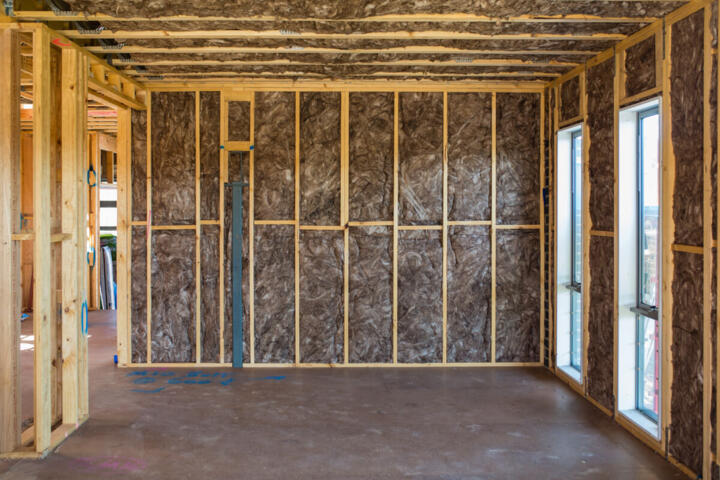
Dense and fire-resistant, mineral wool insulation performs well inside walls and ceilings, blocking airborne sound between rooms or from outdoors. Rockwool brands like Roxul or Thermafiber offer densities around 8-15 lbs per cubic foot, cutting noise by 35-45 percent. They resist moisture better than fiberglass, making them durable in drafty rural constructions. Installation requires tight fits and protective gear due to itchiness.
Mass-Loaded Vinyl (MLV)
MLV acts as a heavy barrier, stopping sound transmission through walls and floors. At just 1/8 inch thick, it weighs about 1 lb per square foot, sufficient to block mid to high frequencies. It rarely works as a standalone fix but pairs well with drywall or wood panels. MLV is sold by brands like Acoustiblok in rolls up to 50 feet, making it easy to cover large surfaces in attics or basements.
Acoustic Sealants
Gaps around frames, outlets, or joints leak sound waves, no matter how thick walls are. Acoustic caulk is flexible and stays soft, filling cracks that builders often miss. It’s easy to apply by tube and dramatically improves performance. Don’t substitute with regular silicone or acrylic caulk—their hardness reduces their sealing effectiveness under vibration.
Double-Glazed Windows
Old single-pane windows let through 30-40 decibels of noise. Upgrading to double-glazed or laminated glass cuts this to 20-25 decibels. More layers and air gaps reduce noise further. Local suppliers often offer retrofit kits costing $400-900 per window, depending on size. Installation quality matters: tight seals prevent wind noise leaks.
Resilient Channels
These thin metal strips fastened between studs and drywall reduce vibrational sound transfer. By decoupling drywall, they lessen structure-borne noise, relevant for floors or noisy neighbors. Each channel costs just a few dollars, but installation adds labor. Proper spacing and no rigid contact are key to performance.
Soundproof Drywall
Several layers of drywall can quiet noise too, but products like QuietRock combine gypsum and viscoelastic polymers to absorb sound waves efficiently. A 5/8-inch QuietRock panel can match the performance of two standard sheets, saving space and effort. Retail prices hover around $50 per sheet. Installing with acoustic sealants and resilient channels amplifies benefits.
Heavy Curtains and Door Sweeps
Soft materials like thick velvet curtains trap airborne sound inside. They absorb echoes and block window noise partially. Door sweeps seal gaps at floor level to prevent sound leakage—a common overlooked area—especially in wooden countryside homes where floors sometimes warp with humidity.
Green Glue Compounds
Applying Green Glue sound damping compound between drywall sheets reduces noise by up to 70%. This viscoelastic paste converts vibrational energy to heat. Although messy to apply, it works well on ceilings and walls where adding thickness isn't practical. Using 2 tubes covers 30 sq ft with damping layers.
Acoustic Panels and Foam
Foam panels primarily reduce internal echoes rather than block external noise. Use them in rooms facing noisy roads or barns to improve sound quality inside. Brands such as Auralex produce esthetic options with NRC (Noise Reduction Coefficient) ratings of 0.7 or higher, absorbing 70% of sound energy hitting the panel.
How Real Homes Improved Quiet
A farmhouse near a busy rural road reduced indoor noise by 15 decibels after replacing single-pane windows with double-glazed units and adding Weatherstripping and door sweeps. They added mineral wool insulation and MLV layers inside attic walls, cutting tractor rumble and wind noise significantly.
Another example: a wooden cabin endured neighbor’s loud celebrations. They installed resilient channels and soundproof drywall in the shared wall, combined with Green Glue damping. The wall’s STC rating increased from 35 to 52—enough to mute most party noise beyond muffled sounds. Installation took three days but allowed peaceful mornings again.
Material Selection Guide
| Material | Type | Use | Price/Sq Ft |
|---|---|---|---|
| Mineral Wool | Fiber insulation | Walls, ceilings | $0.80 - $1.20 |
| Mass-Loaded Vinyl | Barrier membrane | Walls, floors | $2.50 - $3.50 |
| Acoustic Sealant | Flexible caulk | Sealing gaps | $6 - $10/tube |
| Double-Glazed Glass | Window upgrade | Windows | $40 - $90/sq ft |
| Resilient Channel | Metal strip | Walls, ceilings | $2 - $3/ft |
| Soundproof Drywall | Gypsum panel | Walls | $40 - $65/sheet |
| Green Glue Compound | Damping paste | Between drywall | $15 - $20/tube |
Soundproofing Mistakes to Avoid
Don’t underestimate sealing small cracks first. Gaps as narrow as 1/8 inch bypass most sound reductions, like a hole in a bucket. Also, avoid relying solely on soft materials like foam for exterior noise; they absorb echoes, not block sound transmission. Mixing different materials without knowing their density or resilience might reduce overall efficiency—the assembly matters.
Rushing window replacements without measuring the existing sound rating wastes money. Some cheap double-pane kits barely improve past single-pane glass. Avoid installing drywall too tightly against framing; hard contact channels sound instead of blocking it. Lastly, don’t forget moisture control — wet insulation loses all soundproofing value quickly.
Ignore these and you’ll still hear tractors at dawn.
FAQ
What is the most effective insulation for noise?
Mineral wool offers high density and sound absorption, blocking noise better than fiberglass. It retains performance longer in damp conditions typical for some country homes.
Can I soundproof windows cheaply?
Temporary options include heavy curtains and window inserts. However, double-glazed or laminated windows are the best long-term fix, albeit more expensive.
Does adding mass alone stop noise?
Mass helps but doesn’t fully block vibration transmission. Combining heavy barriers with isolation layers improves results more than mass alone.
What about soundproof paint? Does it work?
Soundproof paints provide negligible noise reduction. They shouldn’t replace insulation or barriers in country house applications.
How thick should walls be for soundproofing?
Thicker walls with multiple insulation layers generally perform better, but quality, density, and sealing gaps often trump thickness alone.
Author's Insight
I’ve worked on rural renovations that restored peace with surprisingly modest investments in mineral wool and resilient channels. The biggest surprise came when sealing overlooked cracks dropped noise by nearly half. Testing sound levels before and after proved these methods, while not glamorous, really change living quality. Patience in installation wins. You save time, reduce noise, and the inbox stops winning.
Summary
Proper soundproofing in country houses hinges on a layered approach: dense insulation, effective barriers, and tight seals. Avoid quick fixes focused on just one element. Prioritize blocking gaps, upgrading windows, and mixing materials like mineral wool with layers such as MLV and resilient channels. This combination cuts noise by more than half in most cases—returning your quiet refuge to its peaceful promise.