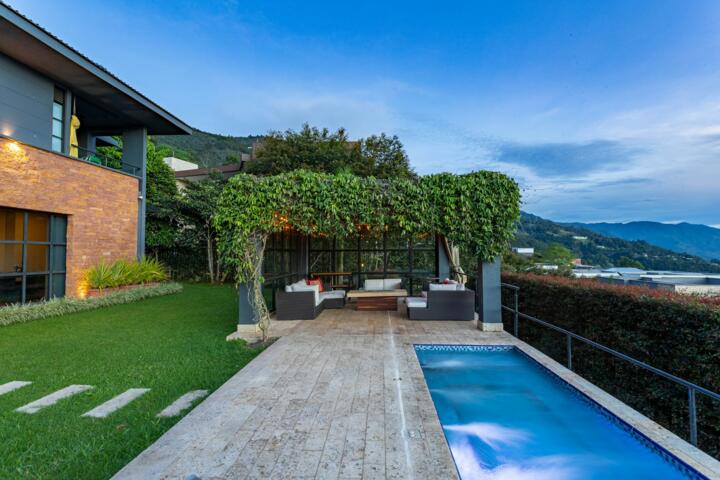
Pool Heating Methods
Solar covers and dedicated heat pumps are common methods to heat swimming pools, each with distinct mechanics and cost implications. Solar covers, often confused as just pool blankets, are specialized multilayer films that capture solar energy and reduce heat loss via evaporation. Dedicated heat pumps extract heat from ambient air to warm pool water using refrigeration technology, offering controlled, consistent heating regardless of sunlight.
How Solar Covers Work
Solar covers float on the pool surface, capturing up to 85% of the sun’s heat and reducing evaporation by up to 95%. For example, the Sun2Solar Xtra Bubble Cover is known for its high UV resistance and a 10-year lifespan, offering effective thermal retention. By minimizing heat loss, these covers can raise pool water temperature by 7-10°F on sunny days.
How Dedicated Heat Pumps Work
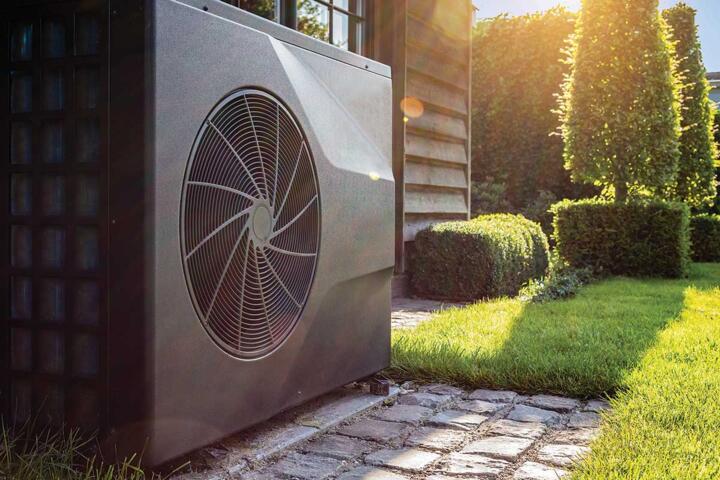
Heat pumps like the Hayward HeatPro series use a compressor and refrigerant cycle to extract heat from the air, even at temperatures as low as 45°F, and transfer it to pool water. They provide dependable heating independent of solar availability, extending season length and user control. Models range from 50,000 to 140,000 BTUs, suitable for pools from 10,000 to 40,000 gallons.
Key Statistics
- Solar covers can reduce pool heating costs by up to 30-40% compared to no cover.
- Heat pumps operate at 5 times the efficiency of electric resistance heaters, consuming roughly 1 kW of electricity to deliver 5 kW of heat.
Common Pool Problems
Many pool owners underestimate heat loss caused by evaporation, which can exceed 70% of total heat loss. Using no cover or ineffective covers drastically increases heating expenses. Additionally, relying solely on solar covers limits heating to sunny days, causing temperature fluctuations.
Conversely, some users buy oversized or undersized heat pumps without assessing pool volume and climate, resulting in wasted energy or insufficient heating performance. Ignoring regular maintenance on heat pumps can cause efficiency loss up to 25%. Lastly, ignoring combined solutions can lead to missed energy savings.
Consequences
- Excessive energy bills due to inefficient heating
- Shortened swimming seasons and discomfort
- Increased wear on pool systems leading to costly repairs
For example, a homeowner in Arizona reported over $150 monthly spikes in electricity due to running a small, poorly matched heat pump without a cover. Similarly, another in Florida complained of 10°F temperature variances when relying on solar covers alone, resulting in inconsistent swim comfort.
Solutions & Tips
Use High-Quality Solar Covers
Choose durable, UV-resistant covers like the Swimline Elite Solar Cover that ensure extended life and robust heat retention. Apply covers consistently whenever the pool is not in use, especially at night, to prevent evaporative loss.
Practically, using a solar cover in conjunction with a pool pump timer optimized for daylight hours maximizes the captured solar energy, resulting in temperature lifts of around 8°F on average for mid-sized pools around 20,000 gallons.
Size Your Heat Pump Correctly
Calculate pool volume and desired temperature increase. For example, Pentair’s IntelliFlo VST pumps often pair well with the Pentair UltraTemp heat pumps, which come in 80,000 to 140,000 BTU sizes suited for residential pools. Sizing correctly avoids energy waste and ensures stable water temperatures.
By using an 85,000 BTU heat pump for a 25,000-gallon pool, users report a consistent increase of 5-7°F on cooler days, extending the swimming season by 2-3 months.
Combine Both Methods
Employ both solar covers and heat pumps. The cover curtails nightly heat loss, while the heat pump provides consistent temperature gains. Pool installers such as Blue Haven Pools recommend this dual approach for optimal results and energy savings up to 50% on heating costs.
Periodic Maintenance
Clean heat pump filters monthly, check refrigerant levels annually, and replace damaged solar covers promptly. Neglected heat pumps can lose efficiency by 20-30%, leading to higher costs and less effective heating.
Real-World Examples
A Municipal Pool in Texas
Challenge: Extended swimming season for a 50,000-gallon pool without excessive utility costs.
Solution: Installed a Hayward HeatPro 140,000 BTU heat pump paired with Sun2Solar Ultra cover during evenings.
Result: The pool temperature stabilized at 82°F vs. 72°F previously; energy bills reduced by 35% during the 6-month season extension.
Private Homeowner in California
Challenge: Inconsistent pool temperatures and high heating bills from electric resistance heater.
Solution: Switched to a Pentair UltraTemp heat pump and Swimline Elite solar cover.
Result: Heating costs decreased by $70 monthly; pool temperature consistency improved by 6°F during spring and fall.
Heating Methods Compared
| Criteria | Solar Covers | Dedicated Heat Pumps |
|---|---|---|
| Upfront Cost | $100–$600 | $2,000–$5,000 |
| Operating Cost | Virtually zero | Low to moderate |
| Consistency | Weather dependent | Consistent control |
| Environment | Zero emissions | Low emissions |
| Installation | DIY-friendly | Professional needed |
| Extension | +1-2 months | +3-6 months |
Common Mistakes
Ignoring Heat Loss from Evaporation
Many neglect the massive heat loss due to evaporation; covering pools whenever idle drastically cuts this loss.
Oversizing or Undersizing Heat Pumps
Purchase heat pumps based on accurate pool size and climate data; using online calculators or consulting professionals minimizes waste.
Not Combining Methods
Using only one method limits efficiency. Combine solar covers with heat pumps for optimum savings and performance.
Poor Maintenance
Regular cleaning and servicing prevents performance drops of up to 30%, saving money long term.
Buying Cheap, Low-Durability Covers
Invest in premium solar covers with warranties to avoid frequent replacements and poor thermal efficiency.
FAQ
How much can I expect to save on heating with a solar cover?
Solar covers can reduce pool heating energy consumption by 30-40% by capturing solar heat and reducing evaporation.
Are heat pumps effective in cold climates?
Modern heat pumps can operate efficiently in air temperatures as low as 45°F; some advanced models even perform well near 40°F.
Can I install a solar cover myself?
Yes, solar covers are designed for easy DIY installation and can be cut to fit custom pool shapes.
How often should I service my heat pump?
Heat pumps should be serviced annually, including refrigerant checks and filter cleanings, to maintain peak efficiency.
Does combining a solar cover with a heat pump really make a difference?
Yes, combining both reduces heat loss from evaporation at night and ensures stable daytime heating, which can lower energy costs by up to 50%.
Author's Insight
From years of consulting with pool owners and installers, I’ve seen that no single solution fits all climates or budgets. Solar covers are fantastic for those prioritizing lower upfront costs and environmentally friendly options. However, in regions with cooler or inconsistent sun exposure, heat pumps offer unmatched reliability and control. In my experience, combining these technologies yields optimal results that keep energy bills manageable and the pool season long. My advice is to evaluate your local climate, pool size, and usage frequency, then invest accordingly. Regular maintenance and proper sizing are keys to maximizing the lifespan and efficiency of your chosen pool heating system.
Summary
Choosing between solar covers and dedicated heat pumps depends on your pool’s size, location, and your budget. Solar covers deliver excellent passive heating and evaporation control with minimal operating cost, while heat pumps provide precise, year-round temperature control at a higher initial investment. Combining both technologies maximizes energy savings, extends your swimming season, and optimizes comfort. Always invest in quality products, size equipment properly, and commit to routine maintenance for best performance.