Systems Infrastructure
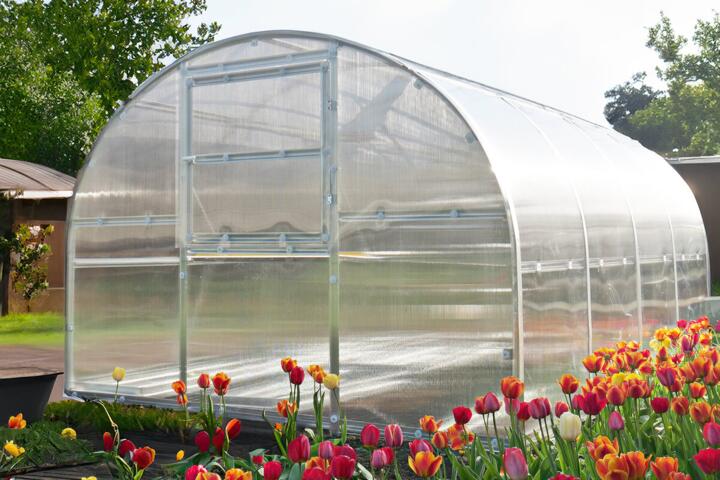
In modern horticulture, the distinction between a permanent glasshouse and a polyethylene tunnel is primarily about thermal mass and air volume. A glass or polycarbonate structure serves as a long-term climate laboratory, offering superior insulation values (R-values) and wind resistance. It is the gold standard for year-round production in regions with heavy snow loads or extreme temperature fluctuations.
Conversely, a tunnel—often called a hoop house—is a dynamic tool. It uses 6-mil greenhouse-grade plastic stretched over galvanized steel ribs. These structures are designed for passive solar gain and "quick-change" seasonality. In my experience consulting for urban farms in Zone 6, a well-managed tunnel can provide a 4-to-6-week "jump" on the spring season without the $50,000+ price tag of an industrial glass build.
Statistically, high tunnels can increase marketable yields of heat-loving crops like tomatoes and peppers by 25% to 40% compared to open-field cultivation. According to data from various USDA agricultural extensions, the initial investment in a basic tunnel often pays for itself within two harvest cycles if high-value niche crops are prioritized.
The Pitfalls of Choice
The most common mistake I see is "under-engineering" for local wind speeds. Many growers purchase entry-level kits from big-box retailers that lack the structural bracing needed for gusty plains or coastal areas. A single 70 mph gust can turn a poorly anchored poly-tunnel into a giant kite, destroying months of labor in minutes.
Another critical failure is ignoring the "Relative Humidity Trap." Because poly-tunnels are often tighter than older glass structures, moisture builds up rapidly. High humidity leads to Botrytis cinerea (gray mold) and powdery mildew. Growers often focus so much on heat retention that they forget that airflow is actually the more important variable for plant health.
Finally, there is the "False Economy" of cheap plastic. Using 2-mil construction plastic instead of UV-stabilized 6-mil greenhouse film is a recipe for disaster. Standard plastic degrades under UV light within 4 months, becoming brittle and opaque, which drastically reduces the Photosynthetically Active Radiation (PAR) reaching your plants.
Maximizing Your Yield
Optimizing Light Transmission
Light is the fuel for your plants. For glass structures, cleaning the panes annually can increase light levels by up to 10%. For poly-tunnels, using "Anti-Condensate" (AC) films is vital. These films prevent water droplets from forming on the ceiling and dripping onto leaves, which not only prevents disease but also ensures that light scatters evenly across the canopy rather than being reflected away.
Advanced Thermal Banking
Passive solar heating is your best friend in a tunnel. I recommend installing black 55-gallon drums filled with water along the north wall. These act as thermal batteries, absorbing heat during the day and radiating it back at night. In a 20x40 foot tunnel, twelve drums can keep the interior temperature 5 to 8 degrees warmer than the outside air without any electrical input.
Automating the Environment
Precision is key. For glasshouses, I advocate for the Link4 iGrow series or Wadsworth control systems. These allow you to automate ridge vents and wet pads based on VPD (Vapor Pressure Deficit) rather than just temperature. In tunnels, even a simple Bayliss non-electric solar vent opener can save a crop from overheating on a sunny winter afternoon when you aren't home to roll up the sides.
Substrate and Soil Health
In permanent glass structures, soil salinity can build up because there is no rain to leach away excess fertilizer salts. I recommend using Promix BX or specialized hydroponic setups like AutoPot systems to maintain a controlled root zone. In tunnels, because they are often moved every few years (caterpillar tunnels), you can maintain soil health through intensive cover cropping with vetch or rye during the off-season.
Pest Management Integration
Controlled environments are also controlled environments for pests. Using Koppert biological controls (like Phytoseiulus persimilis for spider mites) works better in glasshouses because the environment is stable. In tunnels, physical barriers like Protetek insect netting on the side-walls are your first line of defense against aphids and thrips without resorting to heavy pesticide use.
Selecting Structural Gauges
If you are building a tunnel, do not settle for anything less than 14-gauge galvanized steel. Companies like Rimol Greenhouse Systems or FarmTek provide structures engineered for specific snow loads. If you live in an area with heavy snow, a "Gothic" arch profile is superior to a "Quonset" (round) shape because it sheds snow much more effectively, preventing structural collapse.
Strategic Farm Cases
Case Study 1: Heritage Greens Farm
This small-scale operation in Vermont struggled with a short 90-day growing season. They invested $12,000 in two 30x96 foot high tunnels from High Mowing Seeds' equipment partners. By focusing on winter spinach and early-start kale, they extended their sales to 10 months a year. Their net profit increased by $18,000 in the first year, representing a 150% ROI on the hardware alone.
Case Study 2: Precision Florals Ltd.
A specialty cut-flower business required consistent 70-degree temperatures for orchid production. They opted for a triple-wall polycarbonate glasshouse from Stuppy. While the initial cost was $85,000, the precision climate control allowed them to hit "holiday peaks" (Valentine's and Mother's Day) with 98% crop reliability. The structure’s durability has kept maintenance costs below 2% annually for a decade.
Comparative Analysis
| Feature | Permanent Glasshouse | Poly-Tunnel / Hoop House |
|---|---|---|
| Initial Cost | High ($25 - $60 per sq. ft.) | Low ($2 - $8 per sq. ft.) |
| Lifespan | 25 - 50 years | Structure: 15 years; Film: 4 years |
| Climate Control | Highly precise (Heating/Cooling) | Mostly passive (Roll-up sides) |
| Permitting | Often requires building permits | Usually classified as temporary |
| Insulation (R-Value) | High (with double/triple glazing) | Low (requires double-layer air) |
Avoiding Strategic Errors
One major error is poor site orientation. Always align the ridge of your structure East-West if you are in a northern latitude to maximize winter sun exposure. If you align North-South, the structural ribs will cast shadows over your plants all day long during the most critical light-starved months.
Don't skip the "Ground Board." In poly-tunnels, the baseboard (usually pressure-treated lumber or composite) is what anchors the plastic at the bottom. If this isn't secure, the "chimney effect" will pull cold air in from the bottom, neutralizing any heat you've gained. Use high-quality Wiggle Wire and aluminum tracks to ensure a tight seal.
FAQ
How much warmer is a tunnel than the outside?
On a sunny day, a tunnel can be 20-30 degrees warmer. At night, without supplemental heat or thermal mass, a single-layer poly-tunnel will usually stay only 2-4 degrees warmer than the outside air.
Can I grow through a heavy snow winter in a poly-tunnel?
Yes, provided you have a Gothic arch shape and a heat source to "shed" the snow. Many growers use a small propane heater just to warm the plastic so snow slides off before it accumulates.
Is polycarbonate better than glass?
Polycarbonate is more impact-resistant (hail) and provides better light diffusion, which prevents leaf scorch. Glass has better longevity and traditional aesthetics but is much heavier and more expensive to repair.
How do I handle pollination inside a closed structure?
For tomatoes and peppers, you need airflow to vibrate the flowers. In a closed glasshouse, you may need to buy "quads" of bumblebees from suppliers like BioBest. In tunnels, simply rolling up the sides usually allows enough wild pollinators in.
Does a greenhouse add value to my property?
A permanent glasshouse is considered a "real property" improvement and generally adds value. A poly-tunnel is considered equipment/temporary and usually does not affect property taxes or appraisal value significantly.
Author’s Insight
I have spent two decades walking through both high-tech glass facilities and muddy caterpillar tunnels. My biggest takeaway is that the "best" structure is the one you actually have time to manage. A glasshouse requires constant monitoring of sensors and mechanical parts, while a tunnel requires a physical presence to roll up sides when the sun hits. If you are just starting, I always recommend a high-quality tunnel first; it teaches you the nuances of your local climate at a fraction of the financial risk. Once you've mastered the "breath" of a poly-tunnel, you'll be far better prepared for the complexities of a glasshouse.
Summary
Choosing between a greenhouse and a poly-tunnel depends on your budget, climate, and intended crop complexity. For year-round, high-precision growing, the durability and insulation of a glasshouse are unmatched. For seasonal extension and high-ROI market gardening, the poly-tunnel offers unbeatable flexibility and a lower barrier to entry. Start by calculating your required PAR levels and local wind loads before committing to a structure. Invest in high-quality UV-stabilized materials and automated ventilation to ensure your growing season remains productive regardless of the weather outside.