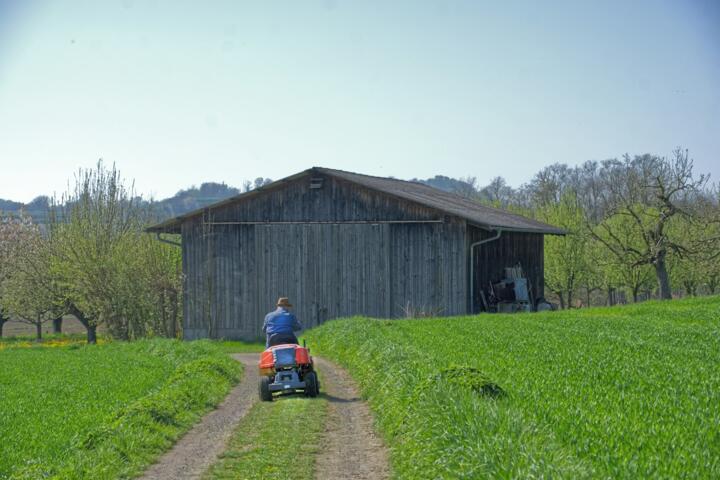
Rural Property Tool Needs
Owning a rural property means dealing with challenges rare in urban settings. Access issues, unreliable power, and diverse terrain require tools that can answer specific demands outside simple upkeep. For example, a battery-powered tool kit that includes a chainsaw and blower can save hours compared to gas models prone to clogging or hard starts.
Data from the USDA indicates about 70% of rural homes rely on wells, pushing water management gadgets into a higher priority category. So, rural owners need gear for irrigation monitoring, off-grid solar power, and secure fencing. The goal isn’t minimal maintenance but adapting to unpredictability efficiently.
Challenges and Mistakes
Many property owners underestimate how quickly wear and tear on fences, gates, and water pumps snowballs into costly repairs or security breaches. For instance, weak bonds in fence wires after winter stress can lead to livestock escape or trespassing. Neglecting backup power solutions in regions with frequent outages leads to frozen pipes or crop loss.
People often buy generic machinery, then find it unsuitable for mixed terrain—searching for equipment that manages rocky soil or mud is rare but necessary. Also, a common misstep involves ignoring digital tools for land oversight and data logging—without these, maintenance schedules falter and precious hours get wasted.
Tool Solutions
Battery-Powered Chainsaws
Switch to a brushless motor chainsaw like the Makita XCU03Z for quiet, reliable performance suited for rural clearing. Battery models avoid fuel storage hassles and start instantly. Expect 45-60 minutes runtime per charge with a 5.0 Ah pack, handling small trees and pruning with ease—their less frequent maintenance frees time for other tasks.
Portable Solar Generators
Brands like Goal Zero Yeti 1500X deliver 1500 watts continuous power, enough for fridge, lighting, and small well pumps during outages. Solar panels charge the units during sunny days, reducing diesel generator noise and fumes. One panel plus the battery stored in a weatherproof box makes power interruptions a manageable inconvenience, not a crisis.
Smart Irrigation Controllers
Devices such as the Rachio 3 controller optimize water use by integrating weather data and soil sensors. They cut water waste and prevent overwatering even when you’re remote, with app-based reminders for manual checks. Monthly water savings can reach 30%, keeping wells from depleting rapidly, which is a common rural headache.
Wire Tension Meters
Fitting a hand-held tension meter like the TAC-1 adds precision to fence maintenance. Proper wire tension extends fencing life significantly and prevents sagging. These tools show numeric values facilitating consistent repairs—making fences deter trespassers more effectively and reducing costly full replacements.
Drone Surveying
Small drones equipped with GPS mapping, such as DJI Mini 3 Pro, allow property owners to inspect large tracts quickly. They identify erosion, fence breaches, and water pooling invisible on foot and save multiple hours per week on routine checks. The learning curve is steep the first time; after that, it’s a productivity boost.
All-Terrain Utility Vehicles
Vehicles like the Polaris Ranger XP 1000 assist with hauling feed, tools, and materials across rough ground. Their payload capacity tops 1,500 lbs, allowing owners to transport loads efficiently without multiple trips. Annual fuel cost often surprises; good fuel management performs better than expected if the model has electronic fuel injection, as many do.
Multi-Tool Kits
Combining tools like an oscillating tool, a drill, and an impact driver in one kit (for example, Bosch 18V system) reduces clutter and increases flexibility for repairs and construction. Cordless convenience supports spontaneous fixes around barns or sheds—time saved compounds into better property comfort and safety.
Rainwater Harvesting Systems
Installing modular rainwater tanks with first-flush diverters reduces reliance on wells during dry seasons. Systems from Norwesco or Bushman, sized between 500 and 5,000 gallons, capture runoff effectively. Simple gravity flow setups allow use without pumps, which lowers electricity costs and complexity, especially in remote zones.
Handheld Weather Stations
A compact station like Ambient Weather WS-2902 gives real-time local data on temperature, humidity, wind, and barometric pressure. Accurate weather readings help plan spray days, harvests, or frost protection actions better than relying solely on county data updated sporadically, which is frustrating for farmers and landowners.
Real-Life Use Cases
A 150-acre farm in Kansas faced yearly livestock escapes due to aging fence tension inconsistencies. After adopting wire tension meters and routine adjustments, complaints from neighbors dropped by 90%. Labor hours on fence repair shrank by 60%, freeing time for pasture improvements in 2023.
In Oregon, a ranch switched from a diesel generator to a 2-kilowatt solar generator combined with battery storage. During a 5-day power outage in December 2022, they maintained electric fence function and well pumps continuously, avoiding livestock losses valued near $15,000 the prior year under similar conditions.
Tool Comparison Checklist
| Tool Type | Initial Cost | Maintenance | Use Frequency |
|---|---|---|---|
| Battery Chainsaw | $300–$450 | Low (battery care) | Seasonal |
| Solar Generator | $1,200–$2,000 | Minimal | Power Outages |
| Smart Irrigation | $200–$400 | Regular updates | Daily in growing season |
| Wire Tension Meter | $70–$120 | Calibration up | Routine checks |
Common Errors and Fixes
Skipping tool inspections or delaying replacements only raises future labor and repair bills drastically. For example, ignoring battery condition in cordless tools reduced run time from 45 minutes to 15 in under two seasons. Fix: schedule quarterly checks and invest in quality replacement batteries with known cycle life.
Overloading utility vehicles leads to frame damage and breaks warranties, which frustrates owners when repairs stretch into weeks. A better practice means respecting payload specs and distributing loads sensibly—even if it means more trips.
Many ignore software updates on smart irrigation or weather devices, leading to incorrect data or unresponsive systems. Regular manual syncing plus an annual refresher training (free online sources exist) resets functionality and reliability.
Relying solely on visual fence assessments misses subtle wire fatigue. The wire tension meter corrects that. Get data. Saving time and apprehension now pays in fewer animal escapes.
FAQ
What power tools suit rural needs?
Battery-powered tools with brushless motors handle most tasks without fumes or frequent upkeep. Quality brands include DeWalt, Makita, and Milwaukee.
How to select irrigation controllers?
Pick those supporting weather stations and soil sensors with remote app control—Rachio and Netro both perform well on feature and durability.
Are drones practical for land inspection?
Yes. Drones save time and reveal issues earlier. Choose light models with GPS and 4K cameras for best results.
What fuel options are viable for off-grid energy?
Solar generators dominate for quiet and clean needs. Small propane setups work but require cautious fuel storage.
How often should fences be checked?
Better monthly inspections with wire tension tests after harsh weather events reduce risks significantly.
Author's Insight
Managing rural properties demands tools that endure irregular use and tough environments. From personal experience, I found investing in battery-powered equipment saved more time than most people expect. Balancing high-tech with simple analog checks prevents surprises. The learning curve is real but rewards persist. Adaptation to conditions trumps trying to find one perfect solution.
Key Takeaways
Rural property owners improve control and reduce headaches with specialized tools beyond basic yard gear. Prioritize reliable power, efficient water management, and durable fencing tools for consistent results. Regular maintenance paired with technology aids like drones or smart controllers yields dividends in saved effort and cost. Carefully match equipment to property size and terrain—doing less but better is realistic and keeps properties secure and productive.