Why Distance Matters
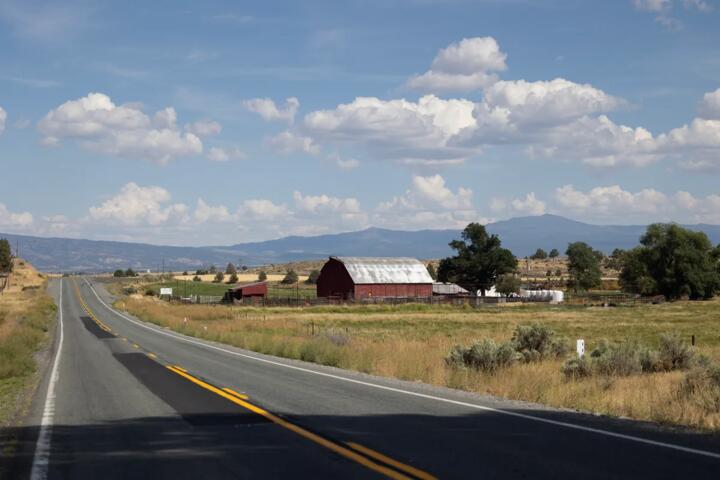
Living 30 minutes or more from a hospital means every second counts in emergencies. The U.S. Centers for Disease Control notes that rural patients often wait longer for emergency care, impacting outcomes in strokes, heart attacks, and critical injuries. For example, acute stroke therapies ideally start within 3 hours—extended travel makes that challenging. The reality sets in with serious trauma cases: delays of even 15 minutes can increase fatality risks by nearly 30%. Distance isn’t just a number; it represents lost time and heightened danger.
Residents from isolated towns in states like Montana or Wyoming face this daily. If a toddler trips and hits their head or an adult experiences chest pain, a 30-minute trip might double under winter road conditions. The clock doesn’t slow. It speeds.
Staying ready, means understanding your vulnerabilities and adjusting how you respond. That requires planning beyond having a phone number for emergency services.
Hardships and Missteps
People often underestimate how much distance complicates emergencies, assuming basic first aid will suffice. Many, I’ve seen, wait too long before calling for help, hoping symptoms will pass—dangerous when minutes matter most. Misjudging the severity or relying solely on over-the-counter remedies leads to avoidable outcomes.
Emergency services can be delayed by weather, terrain, or call volume. Sadly, ambulances and airlifting services don’t guarantee prompt arrival. And if local healthcare options are minimal, initial treatment may occur hours away from specialized care.
Another problem: rural households often lack sufficient medical supplies or emergency training. I’ve visited places where the family owned no first aid kit—zero. That’s a vulnerability few recognize until they face a real crisis. Prolonged waits without proper intervention increase complications and recovery times.
Practical Ways to Prepare
Train in CPR and First Aid
Learn CPR and basic aid skills to stabilize patients before professionals arrive. Organizations like the American Heart Association offer hands-on sessions; online videos rarely teach the muscle memory needed. In practice, knowing how to stop bleeding or open an airway can buy critical minutes. Regular refreshers improve retention. Invest in a quality CPR mannequin — even a low-cost one around $70 helps muscle memory.
Stock a Well-Equipped Medical Kit
Your kit should include trauma dressings, a tourniquet, antiseptics, and over-the-counter medicines that hospital emergency rooms commonly use initially. Brands like Adventure Medical Kits offer options with clear labeling and easy instructions. Replace consumables at least every two years. Store kits centrally—maybe the kitchen or mudroom—and make sure everyone knows where to find it.
Create a Communication Plan
Cell service can be spotty 30-plus minutes out. So, plan backup communication. Devices like Garmin inReach or SPOT X provide satellite messaging even where your phone fails. Preprogram emergency contacts with precise GPS coordinates. Inform neighbors or trusted friends nearby — quick relay of information saves vital time.
Map Your Routes and Alternatives
Know the fastest ways to the hospital and alternatives if primary roads close. Some rural residents keep printed maps with marked medical centers, since GPS navigation can fail in remote areas. Also, track travel times during various weather conditions as estimates. A recent incident I heard about involved a snowstorm doubling a usual 35-minute drive to over 90 minutes. Planning acknowledges uncertainty.
Maintain Health Records Accessibly
Keep updated health info ready for first responders or emergency rooms—medications, allergies, chronic conditions. Printed copies on a laminated card and digital backups accessible via phone apps or USB sticks simplify handoff. Some clinics use MyChart or Epic apps to share records instantly, but offline access saves precious seconds.
Partner With Local EMS
Meet your local emergency service providers to understand their response capabilities and times. Some volunteer fire departments double as emergency medical teams, though they may be understaffed or limited in advanced emergency care. Community knowledge helps optimize assistance during your emergencies.
Use Telehealth for Early Consultations
Telemedicine can’t replace hospitals but helps triage. If symptoms are worrisome, quick telehealth calls can direct you to immediate hospital visits, saving hours of guesswork. Services like Teladoc or local health networks offering video calls can connect rural residents promptly.
Invest in Transport Solutions
Reliable vehicles with winter tires, a full tank, and emergency supplies suit emergency escapes. Some families keep an ATV or snowmobile for urgent travel in harsh conditions. Planning includes prepping transport for different seasons.
Practice Emergency Drills Regularly
Practice makes response automatic during crises. Routine emergency drills include alerting contacts, packing essential items, and loading patients for transportation. I once timed my family’s drill at 7 minutes from alert to departure—far better than an anxious scramble.
Examples from the Field
Consider Smith Ranch, a cattle farm in Wyoming, 45 minutes from the nearest trauma center. After a fall, one worker suffered broken ribs and delayed breathing. They used on-site first aid training to stabilize him and employed Garmin inReach for satellite emergency calls. EMS arrived in 25 minutes, earlier than estimated. Recovery was steady, avoiding complications due to timely intervention.
Another case involved a northern Minnesota family living 40 minutes out. Their daughter suffered severe allergic reaction; they administered epinephrine from a stocked kit and called a telehealth pediatrician for guidance while en route. Hospital arrival was 43 minutes, but parental preparedness prevented collapse.
Checklist for Readiness
| Aspect | Description | Frequency | Tools / Notes |
|---|---|---|---|
| Training | CPR and First Aid classes | Every 1–2 years | AHA courses, Mannequins |
| Supply Kit | Complete trauma and medicines | Replace consumables every 2 years | Adventure Medical Brand, epinephrine |
| Communication | Phone, satellite messenger | Check devices monthly | Garmin inReach, SPOT X |
| Routes | Primary and alternate travel paths | Update to road changes yearly | Printed maps, timed drive logs |
| Emergency Drills | Household and community call drills | Twice annually | Checklists, timers |
Common Errors
Ignoring symptoms until they worsen causes harm. I've seen families delay calls during heart attacks because they feared false alarms. Seconds lost can’t be reclaimed. Another mistake—disorganized medical info. Patients requiring urgent meds can face delays or incorrect treatment without easy access to records.
Choosing inappropriate transport modes also occurs: snowmobiles are useless on paved roads, for instance. And many underestimate weather effects on routes. People forget to check fuel levels or battery life in communication devices.
Last, overreliance on telehealth only can mislead; emergency signs might be subtle but life-threatening, so consulting promptly with emergency services remains paramount.
FAQ
How fast must I get help in a medical emergency?
Ideally, ambulance arrival should be within 8 minutes in urban settings, but rural waits can extend to 30 minutes or more, increasing risks. Call immediately if symptoms are sudden or severe.
What should a remote emergency kit include?
Include wound dressings, tourniquet, epinephrine for allergic reactions, antiseptic wipes, pain control meds, gloves, breathing masks, and a basic guide.
Can telehealth replace hospital trips?
Telehealth helps initial assessment but does not substitute emergency interventions requiring equipment or specialists. Use it for guidance only.
Are satellite phones necessary living 30+ minutes out?
If cellular service is unreliable, yes. Satellite messengers ensure you reach help even in dead zones, enhancing safety.
How often should I update emergency plans?
Review and adjust plans yearly, or after any major changes such as new roads, phone upgrades, or family health changes.
Author's Insight
Living and working in rural healthcare zones exposed me to delayed emergency responses firsthand, pushing me toward practical readiness steps I trust. Preparation goes beyond kits—it’s about mental readiness and regular practice, cutting panic. Knowing your limits and local resources keeps your options open during crises. I recommend consistent engagement with local EMS; they often know what technology fails. Keep testing your plans under different conditions; real crises rarely follow scripts.
Final Thoughts
Distance from hospitals adds complexity to emergencies, but deliberate, specific preparations reduce risk. Learn practical first aid, maintain a medical kit, communicate beyond cell phones, and know your routes well. Frequent drills and new technology adoption can shorten response times and improve outcomes significantly. In emergencies, speed is life, so prepare to act—no delays.