Deep Well Pumps Power Basics
Deep well pumps extract water from depths of 100 feet to over 1,000 feet. They serve irrigation, livestock, remote homes, and mining operations. AC-powered pumps connect to conventional grid or generators offering steady voltage and current. DC pumps run on solar panels or batteries, matching off-grid realities but sometimes confusing users.
For example, a 5 horsepower (HP) AC pump often pulls around 11 amps at 230 volts. In contrast, a 12-volt DC pump for the same output demands 300+ amps, requiring heavy cable and batteries. Knowing these power traits helps avoid setup and performance mishaps in isolated locations.
The choice affects more than power source: inverter types, efficiency curves, and maintenance frequency also shift.
Where Pumps Fail & Why
Mistakes start when people match water depth and flow needs without matching power type to site conditions. An AC pump needs stable power; fluctuations risk motor burnout. DC pumps suffer if solar arrays dip below threshold—voltage sags cause the unit to stall.
Some users overestimate battery bank size or neglect panels' real sunlight hours. Pumps stall or run intermittently, causing the controls to trip repeatedly. When these errors translate to downtime, water shortages follow, leading to crop stress or livestock dehydration. For example, a rancher in Wyoming lost 30% of summer feed due to underpowered DC pump failure.
Also, people often ignore pump enclosure ventilation and cable losses, degrading pump lifespan. Pump rods and impellers score corrosion or wear quickly due to improper specs or water chemistry mismatch.
End result: expensive repairs and lost productivity, which off-grid budgets hate.
Choosing & Running Deep Pumps
Understand Water Needs First
Calculate peak demand flow (gallons per minute) and well depth. Add 20% for safety margin. Pump curves from manufacturers, like Franklin Electric or Grundfos, show each model’s head vs. flow performance. Checking these curves prevents overloading your pump motor or starving your water system.
Assess Power Availability
Measure daily solar radiation if off-grid. For AC sites, test voltage stability and phase balance. DC pumps thrive on consistent, enough amperage—nominally 12, 24, or 48 volts systems. For example, a 48V DC setup often reduces current draw, easing cable size and losses.
Select Pump Type
AC pumps often have induction motors, built rugged for long runs but need power conditioning. DC pumps include brushless motors with built-in controllers tuning performance but require complex wiring. Choose brands with proven reliability in your environment—like Goulds for AC or SunRotor for DC.
Power System Design
For AC, include surge protectors and line conditioners. DC systems demand battery banks sized for at least two days of operation without sun. Use MPPT solar controllers, not PWM, to maximize solar input efficiency. For example, MPPT controllers improve panel efficiency by 10-30% compared to PWM.
Install Proper Cabling
Voltage drop kills pump motors faster than overload. For DC pumps, calculate cable sizes accounting for very high current and distance. Oversize cables if needed. In AC systems, grounding, conduit, and breaker selection matter for safety and code compliance.
Maintenance Protocols
Check mechanical seals, impellers, and lubrication quarterly. DC motors may require less mechanical upkeep but watch for corrosion on terminals and connectors. Clean solar panels seasonally, trim vegetation. AC motors need occasional bearing inspection and rewind capabilities on hand are good post-2021 motor shortages.
Automation and Controls
Use pressure sensors and flow meters to adjust run times and prevent dry running. DC pumps with integrated controllers can ramp speeds, reducing battery drain—a feature missing in basic AC setups. Automation reduces wear and extends battery life.
Backup Strategies
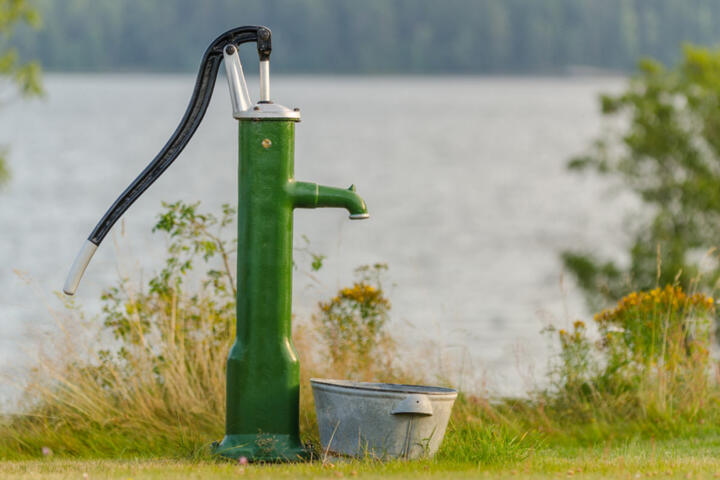
Install a backup generator for AC pumps in prolonged outages. For DC, consider hybrid solar/wind setups or additional batteries. Keep a manual hand pump as last resort in extreme outages. Reliability increases with redundancy.
Cost-Benefit Analysis
DC systems entail higher upfront solar and battery investments but yield lower operational costs and fuel independence. AC systems may cost less initially but risk fuel costs, outages, and maintenance labor. For instance, a DC setup in Arizona paid back solar investment in 3 years versus diesel generator AC after 5 years.
Water Pumping in Action
A cattle ranch in Montana installed a 5HP AC deep well pump connected to a small diesel generator. Frequent generator failures due to cold starts caused downtime and water shortages. Switching to a 48V DC system powered by a 3kW solar array reduced downtime from 14% to under 2%, saved $3,200 yearly in fuel, and cut noise complaints.
Meanwhile, a remote mining camp in Nevada used an AC 7HP pump wired directly to the grid, assumed stable. Voltage fluctuation led to motor winding burnout twice in two years, costing $5,400 in repairs each time. After shifting to a DC pump with solar hybrid power and a battery bank sized for 4 days, they reduced downtime sharply and improved water reliability.
AC vs. DC at a Glance
| Feature | AC Pumps | DC Pumps | Notes |
|---|---|---|---|
| Power Source | Grid, generator | Solar, batteries | DC needs solar data |
| Installation | Simpler wiring | Complex cables, controllers | DC cable size high |
| Maintenance | Motor care frequent | Battery, panel upkeep | Panels must stay clean |
| Energy Cost | Diesel or grid fees | Solar free post-install | Solar reliability varies |
| Power Stability | Highly stable if grid OK | Fluctuates with weather | Batteries reduce drop |
| Noise | Loud generators often | Silent operation | Critical in residential |
Common Errors & Avoidance
People often size DC battery banks on watt-hour assumptions, ignoring startup amps spikes. A 300-amp surge during pump start can drain batteries instantly if undervalued. Use DC surge current charts from suppliers to size safely.
Ignoring local water chemistry when selecting pump parts leads to early mechanical seal failure. Ask local drillers or water labs for TDS and pH. Choose stainless or bronze parts accordingly. Also, underestimating cable losses by 20% or more causes voltage drop and heat, especially for distances over 100 feet.
Finally, failing to install float switches or dry-run sensors invites motor burnout in both systems. Adding those sensors is cheap insurance.
FAQ
Can I convert AC pumps to DC?
Not directly. AC pumps use induction motors incompatible with DC, which requires brushless or specialized DC motors and controllers.
How long do batteries last powering pumps?
On average, deep cycle lead-acid batteries last 3-5 years; lithium types reach 7-10 years with proper maintenance.
What depth suits DC pump use?
DC pumps handle depths up to 500 feet efficiently; beyond that, power draw and cable sizing increase drastically.
Are solar pumps reliable in cloudy regions?
With adequate battery storage and larger arrays, yes. Otherwise, expect downtime during extended cloudy periods.
How to prevent pump motor burnout?
Install protective devices—voltage stabilizers for AC, low voltage disconnects for DC—and monitor system health regularly.
Author's Insight
After installing dozens of deep well pumps in remote areas, I’ve seen AC and DC approaches meet unique challenges. AC works when you trust your power source and can manage fuel or grid reliability. DC shines where solar is plentiful but demands upfront planning and rigorous maintenance. I’ve watched systems overheat, cables smoke, and budgets balloon when users skip careful power calculations. Simple sensors and correct cable sizing fix many issues ignored in user manuals.
Summary
AC-powered deep well pumps excel with reliable power and simpler wiring but rely on fuel or grid. DC pumps integrate with solar and batteries, cutting operational cost but needing meticulous system design, larger cables, and battery care. Calculate flow and depth, assess power stability, and anticipate maintenance burden before choosing. Using proven brands and real-world performance data minimizes downtime and repair expenses in off-grid settings.